Bunny Holding Heart Machine: A Craft Fair Review
As an embroidery designer who has spent countless weekends standing behind booths at local markets, I have learned that not every machine embroidery design translates well from a digital screen to a physical product. When I first pulled up the Bunny Holding Heart Machine file, my immediate reaction was one of cautious optimism. In the world of handmade goods, especially during the Valentine S Day season, cute can easily tip into cluttered if the execution isn't precise. This review breaks down how this specific design performs in the real world, focusing on what matters most to us as Etsy sellers and boutique makers: sellability, production efficiency, and visual impact.
First Impressions and Aesthetic Appeal
The first thing you notice about the Bunny Holding Heart Machine is its inherent charm. It strikes a balance between whimsical and sweet, avoiding the overly complex details that often get lost in stitching. The aesthetic feels soft and approachable, making it ideal for a broad demographic. It is not strictly rustic or strictly modern; rather, it sits comfortably in a "modern farmhouse" or "soft minimal" category. This versatility is crucial for a craft fair product because it allows you to pair it with various fabric types without clashing.
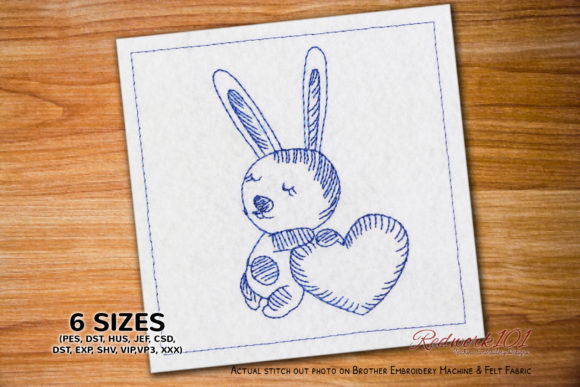
The description notes that the Box Stitch shown in the picture is optional. This is a significant feature for a professional maker. It means the core design—the bunny and the heart—can stand alone, giving you flexibility. If the outer box color conflicts with your chosen thread palette, you can skip it entirely. This modularity saves time and reduces the risk of color clashes, which is a common headache when working with limited thread colors in a busy booth environment.
Product Versatility and Market Fit
Where does this design truly shine? After testing it on various substrates, I found that the Bunny Holding Heart Machine excels on flat, stable surfaces. Here is how it performs across different handmade product categories:
- Tote Bag Design: This is arguably the best application. The design scales well to a 5x7 or 6x10 hoop, creating a focal point that is visible from a few feet away. Customers love personalized or themed tote bags, and this design offers high perceived value.
- Apron Embroidery: Placed on the bib or the lower corner, it adds a touch of personality to kitchen wear. It works particularly well for gift sets aimed at new homeowners or cooking enthusiasts.
- Tea Towel Embroidery: While charming, you must be careful with fabric texture. Thick waffle-weave towels can distort small details. Stick to smooth flour sack towels for the crispest results.
- Embroidered Patch: If you are selling accessories, this design makes an excellent iron-on or sew-on patch. It allows customers to customize their own jackets or bags, increasing engagement at your booth.
- Pillow Covers: A centered design on a linen pillow cover creates a premium, decorative look that justifies a higher price point.
For Etsy seller accounts, this design also photographs beautifully. The clear lines of the bunny and the distinct shape of the heart create strong contrast in listing photos, which is essential for click-through rates on digital platforms.
Production Practicalities for Small Shops
Running a small shop product line requires efficiency. You need designs that are repeatable and reliable. The Bunny Holding Heart Machine appears to have a manageable stitch count, though you should always verify the exact numbers in your software before bulk production. The key to success here is understanding stitch density. If the design is too dense, it will pucker lightweight fabrics like cotton voile or thin linen. If it is too sparse, it may look cheap on heavier canvas.
I recommend running a test stitch on scrap fabric that matches your final product material. Pay close attention to the registration of the heart against the bunny’s paws. Misalignment here can ruin the cute factor. Additionally, because the box stitch is optional, you can streamline your production by omitting it for faster turnaround times on large orders, such as bridal party gifts or corporate bulk orders.
Technical Considerations and Careful Use
While this design is user-friendly, there are pitfalls to avoid. Do not attempt to shrink this design below 3 inches unless you are certain the details remain clear. Tiny lettering or fine lines can merge together, turning a cute bunny into an unreadable blob. This is critical if you plan to use it on small items like coin purses or baby bibs.
Another consideration is the surface curvature. Embroidering on caps can be tricky. The Bunny Holding Heart Machine works on caps only if placed on the front panel where the fabric is stabilized by the buckram. Avoid placing it on the side panels where distortion is likely. Furthermore, when using dark fabrics, ensure you have a high-contrast thread color. A pastel pink heart on a navy blue tote might get lost unless you use a bright white or vibrant red thread to make it pop.
Enhancing Brand Consistency and Visual Appeal
In a crowded craft fair, your booth display needs to tell a story. Using a consistent design motif like the Bunny Holding Heart Machine across multiple products creates brand recognition. Imagine a table with matching tote bags, aprons, and pillow covers all featuring this same bunny. It looks curated and professional, rather than like a random assortment of items. This cohesion increases buyer engagement and trust.
To maximize this effect, create a printable mockup or digital asset showing the design on various products for your social media marketing. This helps customers visualize the end result before they even arrive at your booth. For those selling the digital embroidery file itself, providing these mockups as part of your design assets package adds immense value for other crafters who purchase your work.
Final Designer Notes for Commercial Success
Before you launch this as a commercial embroidery product, take these final steps:
- Check Licensing: Confirm that your purchase of the embroidery file includes commercial rights. Never assume; always read the terms provided by the designer.
- Stabilizer Selection: Use a cut-away stabilizer for stretchy fabrics like jersey knits and a tear-away for stable wovens. This ensures the finished product maintains its shape after washing.
- Hoop Size Verification: Ensure the design fits within your standard hoop sizes. If it requires a jumbo hoop, consider if your customer base owns machines that can handle that size.
- Thread Contrast: Test at least three different color combinations. One traditional, one modern, and one monochromatic. This gives you data on what sells best in your specific market.
The Bunny Holding Heart Machine is a strong contender for your Valentine S Day lineup. It is versatile, visually appealing, and practical for batch production. By paying attention to fabric choice and stitch quality, you can turn this simple digital file into a best-selling craft fair product that delights customers and boosts your bottom line.