Review: Bluebell Flower Design Redwork for Craft Fairs
As an embroidery designer who has spent countless weekends standing behind booths at local markets, I have learned that not every machine embroidery design translates into a bestseller. Some designs are technically perfect but visually quiet, while others capture attention from ten feet away. Today, I am reviewing the Bluebell Flower Design Redwork with a specific lens: will it sell in a busy handmade marketplace? This review is written for fellow Etsy sellers, boutique makers, and creative entrepreneurs who need to know if this asset belongs in their next production batch.
First Impressions and Aesthetic Appeal
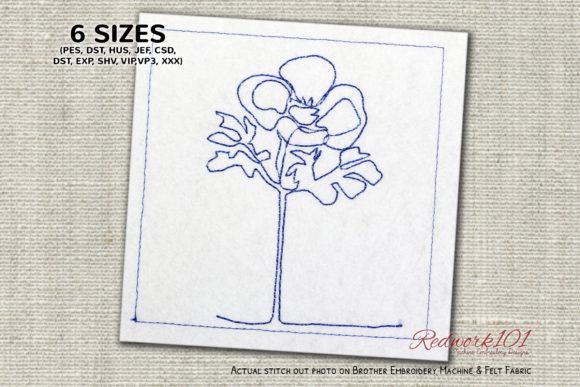
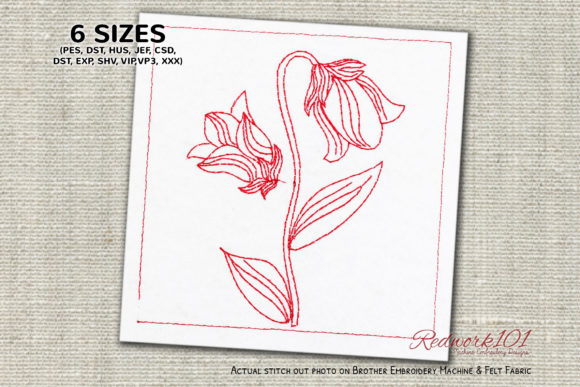
The moment I loaded the Bluebell Flower Design Redwork into my software, the immediate impression was one of understated elegance. Redwork is a classic technique, relying on a single thread color against a neutral background to create high contrast and timeless appeal. This design fits squarely into the "farmhouse" and "rustic" aesthetic categories that continue to dominate the home decor market. It does not try to be overly complex or flashy. Instead, it offers a clean, minimal look that suggests premium quality without shouting for attention.
For those focusing on Single Flowers as a category, this bluebell motif strikes a balance between delicate and bold. The lines are clear, making it easy for customers to understand what they are looking at even from a distance. In a crowded craft fair environment, clarity is king. If a shopper cannot identify the subject matter within three seconds, they often keep walking. This design passes that test effortlessly.
Versatility Across Product Lines
The true value of any digital embroidery file lies in its versatility. I evaluated how the Bluebell Flower Design Redwork performs across various common craft fair product categories. Here is where it shines:
- Tote Bag Design: This is perhaps the strongest application. A large-scale redwork bluebell centered on a natural canvas tote creates an instant classic. It appeals to buyers looking for eco-friendly, stylish accessories.
- Tea Towel Embroidery: Kitchen textiles are staple sellers. The simplicity of redwork looks exceptional on linen or cotton tea towels. It feels traditional yet fresh, perfect for giftable handmade product sets.
- Apron Embroidery: Placing the design on the bib of a half-apron adds a touch of charm that elevates the perceived value of the item. It transforms a utility item into a decorative piece.
- Embroidered Patch: While redwork is traditionally stitched directly onto fabric, this design could work as a patch if backed correctly. However, ensure the edges are finished well to prevent fraying, as redwork often lacks a satin stitch border.
- Pillow Covers and Market Bags: As a focal point on neutral-toned pillow covers, the bluebell adds a splash of organic beauty. It works equally well on reusable market bags, appealing to the environmentally conscious shopper.
Production Practicality for Small Shops
For small shop product creators, time is money. One of the biggest advantages of this Bluebell Flower Design Redwork is its likely efficiency. Redwork designs typically utilize running stitches rather than dense fills. This means faster stitch-out times, less thread consumption, and reduced risk of puckering. This makes it ideal for batch production during the busy holiday season or before a major market weekend.
However, there are critical notes to consider regarding the description provided. The note states: "The Box Stitch shown in the picture is optional. The color of the outer box is a different color in most of the designs unless it is part of the design itself, you can skip the c." This implies that the design may come with a framing element that requires a color change or can be omitted. For a streamlined production process, I recommend testing the design both with and without the box. Often, removing the frame allows the flower to stand alone more elegantly, especially on smaller items like embroidered patch applications or pocket details.
Technical Considerations and Careful Use
Before committing to a large run of commercial embroidery products, you must address technical variables. Since specific details like exact stitch density, hoop size, and file formats are not explicitly detailed in the brief description, you must verify these in the actual file metadata before purchase or production.
- Fabric Texture: Redwork relies on crisp lines. Avoid highly textured fabrics like thick terry cloth or loose-weave burlap, as the running stitches may sink into the pile or distort. Smooth cotton, linen, or canvas yields the best results.
- Stabilizer Choice: Even though redwork is light, proper stabilization is crucial. Use a cut-away stabilizer for stretchy fabrics like tote bag canvas if it has any give, or a tear-away for stable woven cottons to maintain a soft hand feel.
- Thread Contrast: The success of this design hinges on contrast. Classic red on white is iconic, but consider deep navy on cream or forest green on oatmeal for a modern twist. Ensure your thread colors pop against the background.
- Scale and Clarity: Test the design at different sizes. If scaled down too small, the delicate stems of the bluebell may break or become indistinct. Always stitch out a test sample on scrap fabric to confirm the minimum viable size.
Boosting Visual Appeal and Brand Consistency
Incorporating the Bluebell Flower Design Redwork into your lineup can strengthen your brand identity. If your shop focuses on botanical, rustic, or vintage-inspired goods, this design reinforces that narrative. Consistency in style helps build customer loyalty. When shoppers see a cohesive look across your design assets, they perceive higher professionalism and quality.
Furthermore, this design photographs beautifully for online listings. The high contrast of redwork creates sharp images that look great on social media and in printable mockup presentations. Clear, attractive photos drive engagement and clicks, which is vital for Etsy seller success. Use natural lighting to highlight the texture of the stitches and the weave of the fabric.
Final Verdict for the Craft Fair Booth
The Bluebell Flower Design Redwork is a strong contender for any embroidery business owner looking to expand their finished product offerings. It is versatile, quick to produce, and aesthetically pleasing. It works exceptionally well on tote bags, tea towels, and aprons, which are high-volume sellers at craft fairs.
Remember to check the specific licensing terms associated with the digital embroidery file to ensure you are compliant for commercial embroidery sales. Always stitch a test sample to adjust tension and stabilizer choices based on your specific machine and fabric combination. By treating this design with careful attention to detail, you can create standout items that draw customers to your booth and keep them coming back for more. This is not just a design; it is a tool for building a sustainable, attractive handmade business.