Review: Gnome Standing Outside of Castle
As an embroidery designer who has spent countless weekends behind a craft fair table, I know that the difference between a browsing customer and a buying customer often comes down to visual impact. When I first loaded the Gnome Standing Outside of Castle design into my software, I was looking for more than just cute aesthetics. I was evaluating its potential as a high-converting craft fair product. This piece belongs to the Fairy Tales category, yet it avoids being overly juvenile, striking a balance that appeals to both children and adults who appreciate whimsical, storybook charm.
First Impressions and Visual Appeal
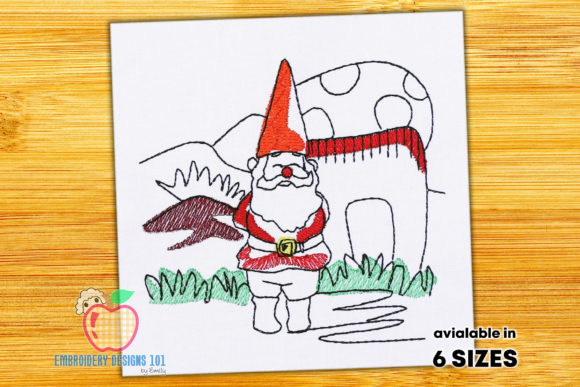
The initial view of this machine embroidery design suggests a sketch-style aesthetic. This is crucial for modern handmade markets where customers are moving away from overly dense, shiny satin stitches toward designs that look like hand-drawn illustrations. The title implies a narrative scene, which immediately engages the viewer. It feels rustic, playful, and slightly nostalgic. For a boutique maker, this mood is gold. It fits seamlessly into the current trend of cottagecore and fantasy-inspired home decor.
When assessing a new embroidery file, I always ask: does it read well from three feet away? At a busy market booth, you have seconds to catch a shopper’s eye. The silhouette of a gnome standing before a castle structure offers strong contrast and recognizable shapes. It is not cluttered with excessive micro-details that might get lost on textured fabrics. This clarity makes it an excellent candidate for a focal point on larger items or a charming accent on smaller goods.
Product Versatility for Craft Fairs
To maximize return on investment, a single design must work across multiple product types. Here is how I envision using Gnome Standing Outside of Castle in a real-world production cycle:
- Tote Bag Design: Placing this on a natural canvas tote creates an instant bestseller. The sketch style complements the raw texture of canvas, making it look intentional and artistic rather than mass-produced.
- Apron Embroidery: A linen or cotton apron featuring this gnome becomes a perfect gift for bakers and gardeners. It adds personality to a functional item, increasing its perceived value as a handmade product.
- Tea Towel Embroidery: Kitchen textiles are volume sellers. However, caution is needed here. The looped texture of terry cloth can swallow small stitches. This design works best on flat-weave flour sack towels where the sketch lines remain crisp.
- Embroidered Patch: If the design scales down effectively, it can be stitched on tear-away stabilizer, cut out, and sold as iron-on patches. This allows customers to customize their own jackets or bags, expanding your market reach.
- Pillow Covers: A neutral linen pillow cover with this central motif creates a cozy, storybook vibe for living rooms. It transforms a basic home good into a decorative statement piece.
Production Practicality and Batch Efficiency
The description notes that this is a "Quick Stitch" design. For any Etsy seller or small shop owner, time is money. A design that stitches out rapidly without sacrificing visual quality is essential for batch production. If you are preparing for a weekend fair, you need to produce dozens of units efficiently. A complex, high-density design might take forty minutes per hoop; a quick-stitch version might take ten. This efficiency allows you to keep prices competitive while maintaining healthy margins.
However, "quick stitch" often means fewer fills and more running stitches. While this reduces thread usage and time, it requires precise tension settings. I recommend testing the stitch density on your specific machine. If the stitches are too sparse, the fabric may show through, ruining the illusion of the sketch. If they are too tight, the fabric may pucker. Finding that sweet spot is key to professional results.
Critical Technical Considerations
Before listing this as a commercial embroidery asset or selling finished goods, there are several technical factors to address. The product description mentions it comes in multiple sizes but cuts off regarding file specifics. Therefore, you must verify the following before production:
- Hoop Size Compatibility: Check if the largest size fits your standard hoop. If it requires a jumbo hoop, ensure you have the equipment to handle it.
- Stabilizer Selection: For sketch-style designs, a cut-away stabilizer is often safer for garments like tote bags and aprons to prevent distortion over time. For woven towels, a tear-away may suffice, but test for residue.
- Thread Colors: Since this is a sketch style, thread choice defines the mood. Use matte threads like cotton or rayon for a soft, vintage look. Avoid high-sheen polyester if you want to maintain the hand-drawn aesthetic. Contrast is vital; ensure the thread stands out against the fabric texture.
- Fabric Texture: Avoid using this design on highly textured fabrics like heavy wool or bouclé unless you use a water-soluble topping. The fine lines of the castle and gnome could get lost in the pile.
Marketing and Brand Consistency
From a branding perspective, Gnome Standing Outside of Castle helps establish a cohesive narrative. If your brand focuses on whimsy, nature, or storytelling, this design reinforces that identity. When creating your printable mockup or digital listings, stage the product in a setting that matches the fairy tale theme. Think wooden tables, dried flowers, and warm lighting. This context helps buyers visualize the item in their own homes.
For online sales, clear photography is non-negotiable. Take close-up shots that highlight the stitch quality and the unique sketch effect. Show the design on different colored fabrics to demonstrate versatility. A dark navy tote with cream thread offers a striking contrast, while a sage green apron with earth-toned thread feels organic and grounded. These variations appeal to different segments of your audience.
Final Verdict for the Handmade Market
In the competitive landscape of handmade goods, uniqueness and execution matter. Gnome Standing Outside of Castle offers a strong foundation for a successful product line. It is versatile enough for various applications, from kitchen linens to wearable art. Its sketch style aligns with current design trends, and its quick-stitch nature supports efficient production.
Remember to always check the commercial licensing terms included with the digital embroidery file. Ensure you have the right to sell finished products made with this design. Once confirmed, treat this asset as a core component of your inventory. Test it on scrap fabric first, refine your tension, and create at least one flawless sample for your booth display. When customers see a well-executed, charming design that tells a story, they are not just buying an embroidered item; they are buying a piece of magic. And in the world of craft fairs, magic sells.