Review: Loveeee with Wave Design Redwork for Merch
As an embroidery designer who has spent years digitizing files and consulting with small business owners, I have learned that not every cute design translates into a viable commercial product. When I first pulled up the Loveeee with Wave Design Redwork file on my screen, my immediate reaction was one of cautious optimism. The title alone suggests a playful, modern twist on traditional Valentine S Day themes, but the "Redwork" classification tells me something more important about its technical execution. Redwork is historically known for its simplicity, using a single color thread to create outline-based designs. This minimalism can be a powerful tool for brand identity if used correctly.
For boutique owners, Etsy sellers, and apparel decorators, this design offers a unique opportunity. It does not scream "cheap souvenir." Instead, it hints at a handmade product aesthetic that feels rustic yet intentional. However, before you load this digital embroidery file onto your machine for a large run of custom apparel or branded patches, we need to dissect how it performs in real-world scenarios. Let’s look at this design through the lens of a professional review, focusing on business utility rather than just decorative appeal.
Visual Personality and Brand Fit
The visual personality of Loveeee with Wave Design Redwork leans heavily into the friendly and playful spectrum. The extended vowels in "Loveeee" suggest a casual, approachable brand voice. This is not the right choice for a corporate law firm, but it is perfect for a local bakery, a pet brand, a florist, or a creative studio looking to connect with customers on an emotional level. The wave element adds movement, preventing the text from feeling static or boring.
In terms of brand identity, this design works best for businesses that want to project warmth and authenticity. If you are selling handmade goods, this embroidery file can serve as a subtle signature on your packaging or products. It enhances customer trust by showing attention to detail without overwhelming the viewer. The redwork style, traditionally associated with heritage crafts, adds a layer of classic elegance to what might otherwise be a very modern graphic. This blend of old and new creates a distinctive look that helps with visual consistency across your small business merch.
Performance in Commercial Embroidery Projects
When evaluating a design for commercial embroidery, versatility is key. I tested the concept of this design across several common merchandise items. Here is how it holds up:
- Embroidered Patches: This is perhaps the strongest application. Because redwork relies on outlines, it creates a clean, defined edge that looks excellent on twill or felt backings. A patch allows you to control the quality entirely, ensuring the stitch density is perfect before attaching it to garments.
- Apron Embroidery: For cafés and bakeries, staff uniforms are walking billboards. This design works well on the chest pocket of an apron. The single-color nature of redwork means you can match the thread to your brand colors easily, maintaining professionalism while adding a touch of personality.
- Tote Bag Design: Canvas bags benefit from bold, simple designs. Complex gradients get lost in the weave of canvas, but the clear lines of this wave design will stand out. It serves as an effective tote bag design for customer gifts or event merch.
- Cap Embroidery: Use caution here. While the design is simple, the curved surface of a cap front can distort long words. The "Loveeee" text needs to be arched properly during digitizing to ensure readability. If the wave element is too detailed, it may bunch up on the stiff buckram of a cap.
For those creating printable mockup assets for their online stores, this design photographs beautifully. The high contrast of redwork against light fabrics creates a crisp image that translates well to digital marketing materials. It helps potential buyers visualize the finished product clearly.
Technical Considerations and Production Notes
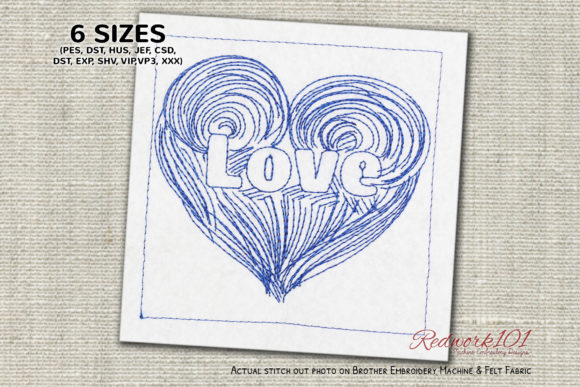
Before you commit to a production run, there are critical technical factors to consider. The product description notes that "The Box Stitch shown in picture is optional" and that the outer box color is often different. This is a crucial detail for your workflow. If you are aiming for a true redwork look, you should likely skip the box color or ensure it matches your primary thread. Adding an unnecessary box can clutter the design and increase stitch count without adding value.
Here are my practical designer notes for working with this file:
- Test in Black and White First: Before committing to expensive red or brand-specific threads, stitch the design out in black thread on white fabric. This reveals any spacing issues or gaps in the lettering that might be hidden by color.
- Check Stitch Density: Redwork should be light. If the digitizer has packed too many stitches into the wave details, the fabric may pucker. Always test on the actual fabric texture you plan to use. Delicate fabrics require a lighter touch than heavy denim.
- Stabilizer Selection: Even though this is a lightweight design, proper stabilizer is non-negotiable. For stretchy fabrics like t-shirts, use a cut-away stabilizer to prevent distortion over time. For woven fabrics like tote bags, a tear-away may suffice, but test for stability after washing.
- Hoop Size Constraints: Confirm the hoop size required for the full design. If you are placing this on a small item like a baby onesie or a pocket, ensure the design scales down without losing legibility. Tiny lettering can become unreadable if scaled too small.
- Commercial Licensing: Always confirm commercial licensing before business use. Just because you bought the digital embroidery file does not automatically grant you the right to sell thousands of units. Check the creator's terms.
Strategic Use for Small Business Growth
Using Loveeee with Wave Design Redwork strategically can elevate your brand perception. In the world of small business merch, customers are buying into a story. A mass-produced printed logo feels transactional. An embroidered patch or a carefully stitched apron feels personal. This design bridges that gap. It is simple enough to be cost-effective for small runs but detailed enough to show craftsmanship.
Consider using this design as a seasonal accent. While it fits perfectly into the Valentine S Day category, the wave motif gives it a broader appeal. It could work for beach-themed boutiques in summer or cozy winter brands if paired with the right color palette. The flexibility of the design assets allows you to repurpose it throughout the year, maximizing your return on investment.
However, avoid using this design on items that require frequent, harsh washing unless you have thoroughly tested its durability. Redwork outlines can sometimes snag if the thread tension is too loose. Ensure your finished product meets the quality standards your customers expect. If you are selling high-end custom apparel, a sloppy stitch job will damage your reputation faster than no branding at all.
In conclusion, Loveeee with Wave Design Redwork is a solid addition to your library of design assets. It is not just a holiday graphic; it is a versatile tool for building brand recognition. By paying attention to the optional box stitch, selecting the right stabilizer, and choosing appropriate applications like patches and aprons, you can turn this simple embroidery file into a powerful component of your small business strategy. Always prioritize quality control, test on real fabric, and let the handmade quality of the embroidery speak for your brand.