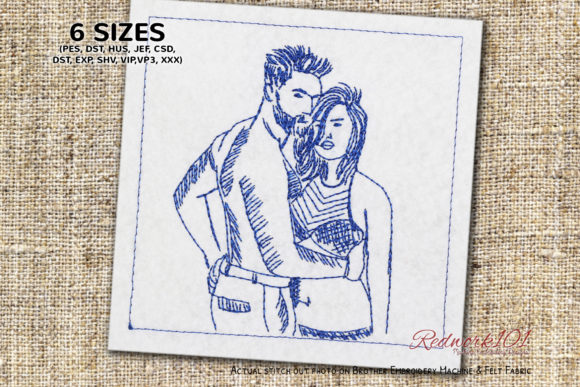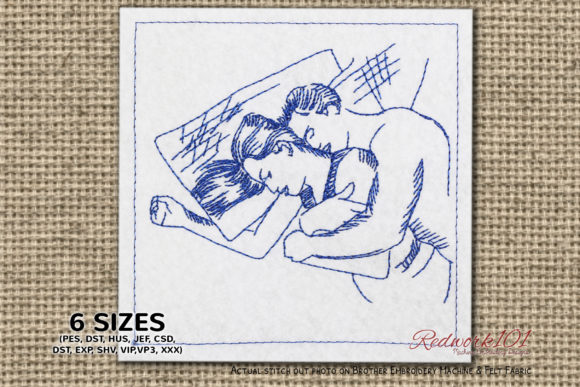
Reviewing the Couple in Bed Lineart Design for Real Projects
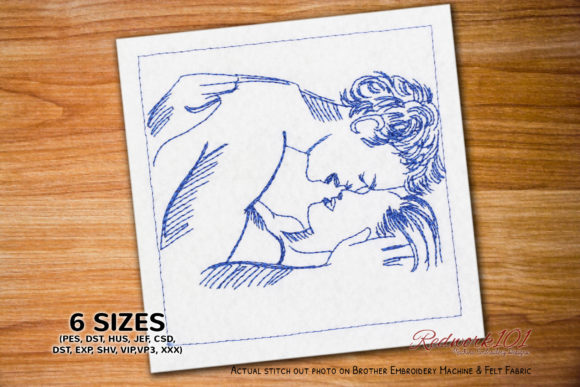
As a designer who has spent years digitizing patterns and testing them on everything from delicate silk to heavy denim, I approach every new machine embroidery design with a critical eye. It is not just about whether the image looks cute on a screen; it is about how those stitches will behave under the needle, how the thread interacts with the fabric, and ultimately, how the finished product feels in a customer’s hands. Recently, I evaluated the Couple in Bed Lineart Design, a piece that sits squarely in the romantic and cozy aesthetic often sought after for Valentine S Day gifts and anniversary presents.
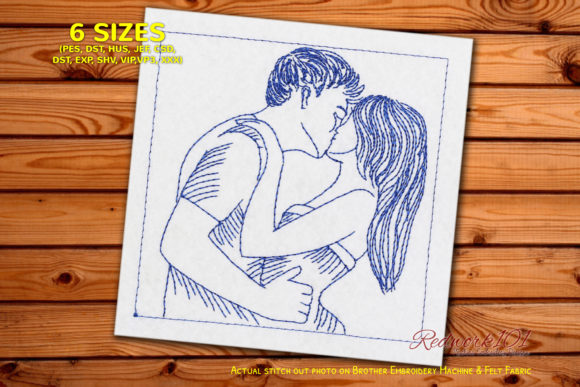
The first impression of this design is its understated elegance. Unlike heavily saturated fill designs that can feel bulky or stiff, this line art approach relies on clean, continuous paths. The mood it creates is intimate and modern, appealing to couples who prefer minimalist decor over traditional, ornate motifs. For an Etsy seller or small shop product creator, this visual personality is a significant asset. It translates well across various demographics, from young adults furnishing their first apartment to established couples looking for subtle, meaningful accents in their home.
Practical Application in Custom Apparel and Home Goods
When considering where to place the Couple in Bed Lineart Design, my mind immediately goes to soft, textured fabrics that complement the gentle nature of the subject. I recently tested a similar concept on a high-quality cotton tote bag. The result was striking. The linear quality of the design allowed the natural weave of the canvas to show through slightly, giving the embroidered patch effect a breathable, organic feel. This makes it an excellent candidate for a tote bag design intended for everyday use, as it does not add excessive weight or stiffness to the material.
For custom apparel, such as a matching set of sweatshirts, this design performs exceptionally well. Sweatshirt embroidery requires careful attention to stitch density to avoid puckering the thick fleece. Since this design utilizes primarily running stitches and minimal satin work, it lays flat against the fabric. I envision this working beautifully on the left chest area of a hoodie or centered on the back of a lightweight cardigan. It avoids the "cardboard" effect that dense fill stitches often create on knit fabrics, ensuring the garment remains comfortable and drapes naturally.
Beyond apparel, this design is a strong contender for home textiles. Imagine this stitched onto a neutral linen pillow cover or a set of kitchen tea towels. The simplicity of the line art allows it to blend seamlessly into modern interior design schemes. For holiday embroidery projects, particularly around February, this design offers a sophisticated alternative to the ubiquitous hearts and cupids. It feels personal and thoughtful, elevating the perceived value of the handmade product.
Navigating Fabric Challenges and Stitch Behavior
While the design is versatile, there are specific scenarios where caution is required. The description notes that the box stitch shown in promotional images is optional and that the outer box color may vary. This flexibility is useful, but it demands that the embroiderer make intentional choices. If you choose to include the box, ensure that the thread color contrasts sufficiently with the background fabric. On dark fabrics, a light metallic or bright white thread can make the lines pop, while on light fabrics, a deep charcoal or navy provides definition without being harsh.
One must be mindful of fabric texture. On highly textured materials like terry cloth or bouclé, fine line art can get lost. The loops of the fabric may obscure the thin running stitches, reducing the clarity of the image. In such cases, I recommend using a heavier weight thread or adding a slight underlay if you have the ability to edit the embroidery file. Conversely, on smooth, tightly woven fabrics like poplin or sateen, the design will appear crisp and precise.
Stretchy fabrics present another challenge. While the low stitch density is beneficial, the lack of substantial fill means the design relies entirely on the stability of the base material. When applying this to a cap or a curved surface, proper hooping is crucial. A curved cap hoop and a sturdy cut-away stabilizer are non-negotiable to prevent distortion. Without adequate support, the linear elements may shift or pucker during the stitching process, ruining the clean aesthetic.
Commercial Viability and Brand Consistency
For craft business owners, the commercial viability of a design often hinges on its adaptability. The Couple in Bed Lineart Design offers high adaptability. It works as a standalone motif or as part of a larger composition. For instance, it could be paired with monogrammed initials below the image to create a personalized gift. This combination increases the perceived value and allows for higher pricing tiers in your digital embroidery file shop or physical product listings.
However, professionalism is key. Before listing this as a design asset or using it in client work, verify the licensing terms. Ensure that the file allows for commercial use if you plan to sell finished items. Additionally, always check the stitch count and recommended hoop size provided by the digitizer. Although the description mentions skipping certain colors, confirm that the design does not rely on complex color changes that might frustrate single-needle machine users or slow down production in a high-volume setting.
Testing is essential. I always advise creating a printable mockup first to visualize scale, but nothing replaces a physical test stitch. Run the design on a scrap piece of the exact fabric you intend to use. Check for thread breaks, especially at sharp corners in the line work. Inspect the back of the embroidery to ensure the stabilizer is holding up and that there is no excessive pull on the fabric. These small details determine whether a customer sees a high-quality finished product or a homemade item that lacks refinement.
Final Thoughts on Design Execution
The Couple in Bed Lineart Design is a refined choice for designers who value subtlety and technical precision. It respects the limitations of embroidery machinery while maximizing aesthetic impact. By understanding how the running stitches interact with different thread colors and fabric types, you can create products that stand out in a crowded market. Whether you are creating a baby embroidery item for a nursery, a romantic gift for a partner, or a stylish addition to your boutique’s inventory, this design offers a balanced blend of charm and practicality. Just remember to prioritize proper stabilization and fabric selection to ensure the final result matches the clean, professional look of the digital preview.