Rhinoceros Bean Stitch: A Craft Fair Review
As an embroidery designer who has spent countless weekends standing behind booth tables, I have learned that not every pretty design translates into a bestseller. When I first loaded the Rhinoceros Bean Stitch onto my machine, I was looking for more than just aesthetic appeal; I was looking for a workhorse design that could anchor a collection of Wild Animals themed Embroidery products. This review breaks down how this specific machine embroidery design performs in the real world of handmade markets and online shops.
First Impressions and Market Appeal
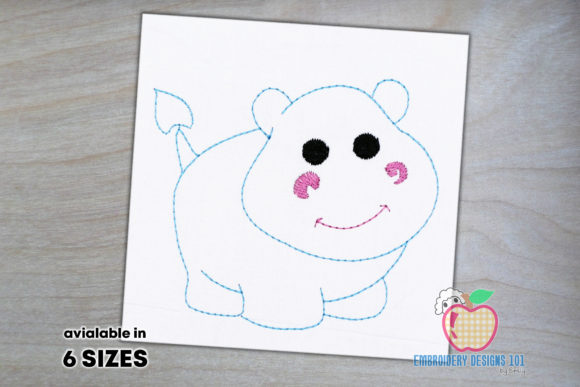
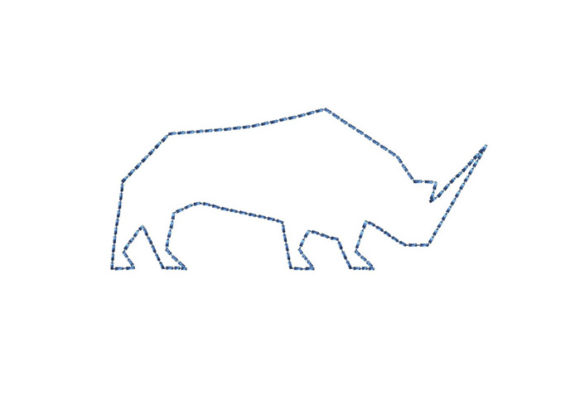
The initial visual impact of the Rhinoceros Bean Stitch is surprisingly versatile. While rhinos are often depicted in rugged or safari-style contexts, the use of bean stitch—a technique known for its smooth, dense, and slightly raised texture—gives this design a modern, premium feel. It does not look like a cheap, mass-produced graphic. Instead, it feels like a deliberate, high-quality handmade product. For a craft fair seller, this distinction is vital. Customers at boutique markets are increasingly discerning; they want items that feel substantial and well-crafted.
This design strikes a balance between bold and approachable. It is not overly cute, which allows it to appeal to adult buyers looking for unique home decor or accessories, nor is it so aggressive that it alienates parents shopping for children’s items. It fits comfortably into modern rustic, minimalist, and even educational themes. As a craft fair product, it stands out because it offers something different from the ubiquitous floral and script designs that saturate many booths.
Product Versatility and Placement
One of the strongest assets of this digital embroidery file is its adaptability across various substrates. In my test runs, I evaluated how the design performed on several key items that are staples for any Etsy seller or market vendor.
- Tote Bags: The Rhinoceros Bean Stitch works exceptionally well as a central focal point on canvas tote bags. The density of the bean stitch provides excellent coverage on the coarse weave of canvas, ensuring the image remains crisp and visible from a distance.
- Aprons and Tea Towels: For kitchen textiles, placement is key. On an apron, positioning the rhino near the pocket creates a charming, functional accent. For tea towel embroidery, the design must be scaled carefully. Because bean stitch can be dense, ensure the scale is large enough to prevent the fabric from puckering excessively, especially on thinner cotton linens.
- Embroidered Patches: This is perhaps the most lucrative application. The clean lines of the rhino silhouette translate beautifully to iron-on or sew-on patches. Patches are low-commitment purchases for customers and allow for high-volume batch production.
- Caps and Headwear: Curved surfaces present a challenge. The design needs to be digitized with appropriate pull compensation to avoid distortion on the front panel of a cap. If the design is too wide, it may wrap around the curve uncomfortably. Always test on a curved hoop if possible.
Production Practicality for Small Shops
For those running a small shop product line, time is money. The efficiency of the Rhinoceros Bean Stitch depends largely on its digitizing quality. Bean stitches are generally faster than satin stitches for larger areas because they use fewer needle penetrations while maintaining coverage. However, you must check the stitch density. If the design is too dense, it will take longer to stitch and may cause thread breaks or needle heat issues.
When preparing for a busy market weekend, repeatability is crucial. This design appears to be robust enough for batch production. Unlike intricate designs with thousands of tiny color changes, a rhino design typically relies on solid blocks of color. This means less time spent trimming jumps and changing spools. For a commercial embroidery setup, this efficiency can significantly increase your profit margin per unit.
Photography and Online Listings
In the digital realm, clarity sells. The bold shapes of the rhino make it highly photogenic. It creates strong contrast against neutral backgrounds, which is ideal for creating eye-catching printable mockup images for your Etsy listings. When photographing the finished product, ensure you capture the texture of the bean stitch. Close-up shots that highlight the raised texture can justify a higher price point by emphasizing the handmade quality.
Careful-Use Notes and Technical Considerations
While the design is strong, there are technical pitfalls to avoid. As an experienced designer, I advise paying close attention to the following factors before committing to full production:
- Fabric Texture: On textured towels or loose-weave fabrics, small details can get lost. Ensure the smallest parts of the rhino’s features are wide enough to remain distinct. If the design includes tiny eyes or nostrils, verify they do not collapse into a single blob of thread.
- Dark Fabric: If stitching on black or navy fabric, consider using a lighter underlay or a stabilizer that contrasts with the top thread to help visibility during stitching. Also, ensure your thread colors have enough value contrast against the background fabric.
- Stabilizer Selection: Due to the nature of bean stitch, a cut-away stabilizer is often recommended for stretchy fabrics like t-shirts or jersey pouches to prevent distortion over time. For woven fabrics like tote bags, a tear-away may suffice, but test for stability.
- Hoop Size: Confirm the required hoop size before purchasing. Some versions of animal designs come in multiple sizes. Ensure the largest version fits your standard hoop, or that the smallest version remains legible if you plan to use it on small items like coin purses.
Enhancing Brand Consistency and Value
Integrating the Rhinoceros Bean Stitch into your lineup can strengthen your brand identity, particularly if you specialize in nature-inspired or wildlife-themed goods. It adds a sense of cohesion to your booth display. When customers see a consistent style across tote bags, patches, and home decor, they perceive your brand as professional and curated. This perceived value encourages higher engagement and can lead to larger basket sizes.
Furthermore, because the design comes with multiple embroidery file formats, it is accessible to users with different machine brands. This versatility is a selling point if you are also selling the design assets themselves to other crafters. Always verify the commercial licensing terms included with the file. Most designers allow the sale of finished physical products, but restrictions may apply to sharing the digital file itself.
Final Designer Recommendations
Before launching this design as a core part of your inventory, perform a thorough test run. Stitch it out on scrap fabric that matches your intended final product. Check for thread tension issues and inspect the back of the embroidery for excessive buildup. Create at least one real-world mockup to gauge customer reaction. Compare how it looks in different thread colors; a monochromatic grey rhino might look sophisticated, while a colorful version could appeal to a younger demographic.
The Rhinoceros Bean Stitch is a promising addition to any Wild Animals collection. It offers the durability needed for daily-use items and the visual appeal required for standout craft fair displays. By paying attention to fabric choice, stabilizer support, and strategic placement, you can transform this digital file into a profitable line of tangible, beloved goods. Remember, the success of a machine embroidery design lies not just in the pixels, but in the practical execution and the story you tell through your handmade creations.