Bird Feeding Her Babies Redwork: A Designer’s Review
As an embroidery designer who spends countless hours digitizing and testing files for commercial use, I have learned that not all machine embroidery design assets are created equal. When browsing through the vast library on Creative Fabrica, I am always looking for designs that offer both aesthetic charm and technical reliability. Recently, I came across Bird Feeding Her Babies Redwork, a piece that immediately caught my eye for its nostalgic appeal and simplicity. After evaluating it for potential inclusion in my upcoming spring collection, I wanted to share my honest assessment of how this embroidery file performs in real-world applications.
First Impressions and Visual Mood
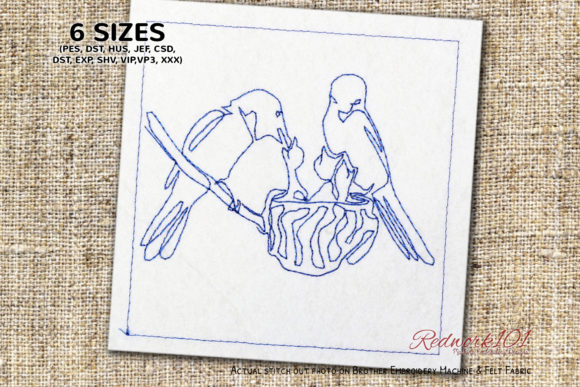
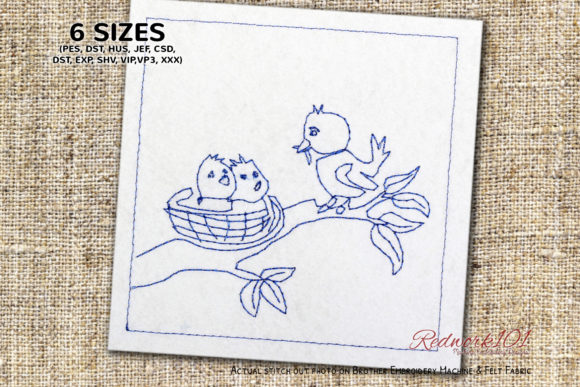
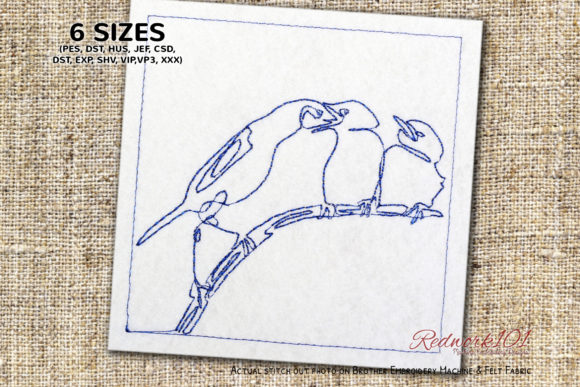
The immediate standout feature of Bird Feeding Her Babies Redwork is its classic redwork style. For those unfamiliar, redwork traditionally utilizes a single color thread—often red, but adaptable—to create outline-based imagery. This specific design captures a tender moment in nature, focusing on a mother bird feeding her young. The visual mood is warm, rustic, and deeply comforting, making it an ideal candidate for projects that aim to evoke feelings of home, care, and tradition.
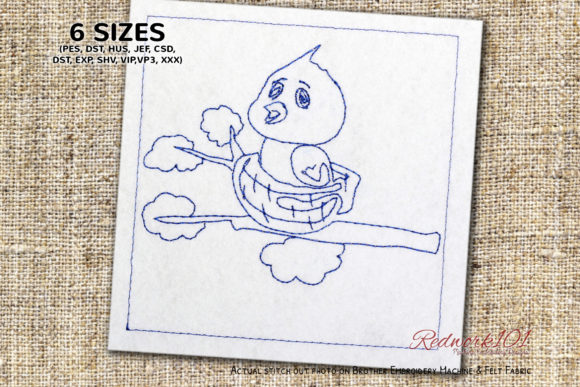
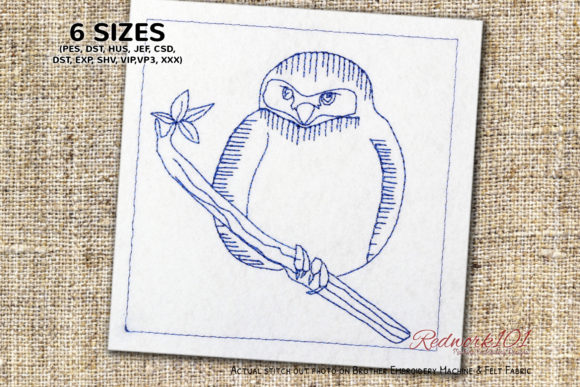
From a decorative standpoint, the line work appears clean and intentional. Unlike complex fill stitch designs that can sometimes look muddy on smaller scales, this outline-heavy approach ensures clarity. The stitching personality is delicate yet durable, which is crucial when you are producing items that need to withstand handling and washing. It fits naturally into categories like nursery decor, kitchen textiles, and heritage-style apparel.
Real-World Project Applications
When considering a new digital embroidery file, I always ask myself where it will add the most value. Bird Feeding Her Babies Redwork is versatile enough to elevate several types of handmade product lines. Here is how I envision using it in a commercial context:
- Kitchen Towels and Aprons: The rustic charm pairs perfectly with linen or cotton blends. A simple red or earth-tone thread on a natural fabric creates a timeless look that sells well at craft fairs.
- Tote Bag Design: Placing this motif on a canvas tote adds a subtle artistic touch. Because it is not overly dense, it does not distort the fabric, maintaining the bag's structural integrity.
- Nursery Decor and Baby Blankets: The theme of maternal care makes this a sensitive and appealing choice for baby showers. However, extra care must be taken with stabilizer choices to ensure softness against sensitive skin.
- Sweatshirt Embroidery: For custom apparel, this design works well on the chest pocket area or as a small centerpiece on the back. It offers a boutique feel without the heaviness of large appliques.
For Etsy sellers and small business owners, this type of design asset allows for quick production times. Since it lacks complex color changes and dense saturation, you can stitch multiple units efficiently, improving your profit margins on commercial embroidery jobs.
Technical Performance and Practical Considerations
While the aesthetic is promising, the technical execution is what determines whether a design is worth your time. One notable aspect mentioned in the product details is the optional Box Stitch. The description notes that the color of the outer box is different in most designs unless it is part of the design itself, and you can skip it. This flexibility is a significant advantage. It allows you to customize the hoop presentation based on your specific project needs. If you are working with a tote bag design that requires a clean edge without an extra border, skipping the box stitch saves time and thread.
However, there are practical challenges to consider. When working with stretchy fabric like jersey knits for t-shirts or sweatshirts, even simple running stitches can cause puckering if not properly supported. I strongly recommend using a cut-away stabilizer for garments that will be washed frequently. For woven fabrics like cotton or linen used in pillow covers or patches, a tear-away stabilizer may suffice, but always test on scrap fabric first.
Another critical factor is stitch density. Although redwork is generally lighter, you must check the file details on the Creative Fabrica product page to confirm the actual density. If the lines are too close together, they might pull the fabric. Additionally, since the design relies on outlines, ensuring high contrast between your thread colors and the fabric is essential. On dark fabrics, a bright or metallic thread can make the design pop, while on light fabrics, traditional red or deep navy provides excellent visibility.
Enhancing Product Value and Brand Consistency
Incorporating Bird Feeding Her Babies Redwork into your lineup can significantly enhance buyer trust and perceived value. Customers often associate hand-embroidered details with higher quality and craftsmanship. By using a well-digitized file, you ensure that every finished product looks professional, reducing the risk of returns due to poor stitching quality.
For creative entrepreneurs, consistency is key. This design fits seamlessly into brands that focus on nature, sustainability, or handmade warmth. It also photographs beautifully for printable mockup creation. The clean lines stand out well in digital listings, helping your products catch the eye of potential buyers scrolling through online marketplaces. Whether you are selling an embroidered patch or a full-sized apron, the visual appeal of this motif can drive customer engagement.
Final Recommendations for Embroiderers
Before committing to a large batch of custom apparel or gifts, take the time to review the specific file details provided on the Creative Fabrica page. Confirm the available hoop size options to ensure they match your machine’s capabilities. Check if the file formats include the specific type your machine reads, such as PES, DST, or JEF.
Remember that licensing terms vary. Always verify that the license allows for the sale of physical finished items if you plan to use this for your business. While most Creative Fabrica embroidery licenses are generous, it is vital to be certain.
In summary, Bird Feeding Her Babies Redwork is a charming and practical addition to any embroiderer’s library. Its simplicity allows for versatility across various fabrics and products, from sweatshirt embroidery to delicate personalized gift items. By paying attention to stabilizer choice and thread contrast, you can produce high-quality items that resonate with customers looking for authentic, handmade beauty. If you are looking to expand your Birds themed collection or add a touch of rustic elegance to your Embroidery portfolio, this design is certainly worth considering for your next project.