Bird Perched on Nest Feeding Baby Birds: A Designer’s Review
As an embroidery designer who has spent years digitizing and testing files for commercial use, I approach every new machine embroidery design with a critical eye. It is not enough for a motif to look cute on a screen; it must hold up under the needle, survive the wash, and appeal to the end customer. Recently, I evaluated the Bird Perched on Nest Feeding Baby Birds design to determine its viability for real-world projects. This piece falls squarely into the Birds category, a perennial favorite in the Embroidery world, but its specific composition requires careful consideration before you commit it to fabric.
First Impressions and Visual Mood
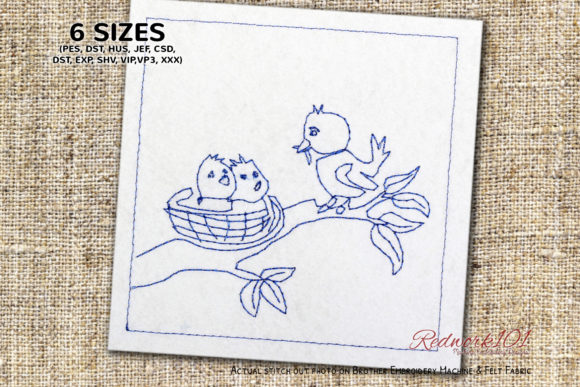
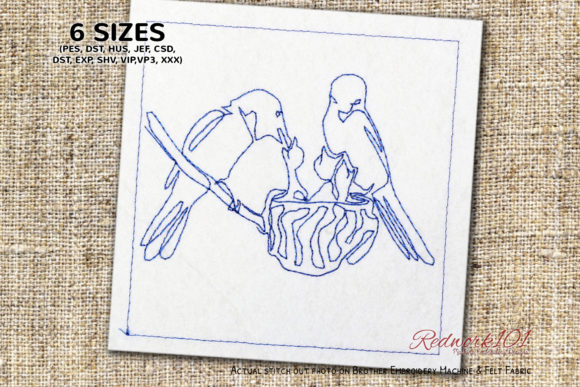
The immediate impression of this design is one of tenderness and natural intimacy. The scene captures a parent bird feeding its young, a universal symbol of care that resonates deeply with customers looking for personalized gifts or nursery decor. Visually, the layout is compact yet detailed. The interplay between the adult bird’s posture and the open beaks of the babies creates a dynamic focal point that draws the eye inward.
From a technical standpoint, the design relies on a mix of stitch types to create texture. You will likely see satin stitch used for finer details like beaks or eyes, while fill stitch areas define the bodies and the nest structure. The note regarding the optional Box Stitch is crucial here. In many digital previews, designers include a bounding box to show placement, but as the description notes, the color of this outer box often differs from the design itself. If the box is part of the actual file, it serves as a framing element; if it is merely a preview artifact, you must ensure your software does not stitch it unintentionally. Always inspect your embroidery file in your editing software before loading it onto the machine.
Real-World Application: Where This Design Shines
I tested this motif mentally against several common product categories. Its strongest application is undoubtedly in the realm of baby embroidery and nursery items. Imagine this stitched onto a soft muslin swaddle blanket or a high-quality cotton onesie. The theme aligns perfectly with baby showers and newborn gifts. However, because the design features small details—such as the tiny heads of the baby birds—it requires a stable fabric base.
For custom apparel, this design works well on sweatshirts or tote bags where you have a larger canvas. A tote bag design featuring this bird family could appeal to eco-conscious shoppers or parents. When used on a sweatshirt embroidery project, place it on the left chest for a subtle boutique look, or center it on the back for a statement piece. The emotional weight of the image adds value to handmade products, making them feel more thoughtful than mass-produced alternatives.
Additionally, consider using this for holiday embroidery projects, particularly for spring-themed collections or Mother’s Day promotions. An embroidered patch featuring this scene could be a bestseller for crafters who sell iron-on or sew-on accessories. The key is to match the thread colors to the fabric tone to ensure the details do not get lost.
Technical Challenges and Fabric Considerations
While the aesthetic is charming, the execution demands precision. One major concern with any design featuring small, intricate elements is stitch density. If the fill stitches are too dense, the fabric may pucker, especially on lighter materials. Conversely, if the density is too low, the fabric might show through, ruining the visual clarity.
You must be cautious when using this on textured fabrics or stretchy materials. Without proper stabilization, the fine lines of the nest twigs or the birds’ feathers could distort. Always use a cut-away stabilizer for garments that will undergo frequent washing, such as baby clothes or kitchen towels. For woven items like pillow covers or aprons, a tear-away stabilizer might suffice, but test first.
Another critical factor is hoop size. Ensure the design fits comfortably within your hoop without hitting the edges. If you are stitching on curved surfaces like caps, the distortion risk increases. I would advise against using this specific design on small hats unless you verify that the smallest details remain legible at that reduced scale. Similarly, avoid placing it on dark fabrics unless you have high-contrast thread colors selected. A black bird on a navy shirt will vanish, frustrating the customer and diminishing the perceived quality of your finished product.
Commercial Viability and Brand Consistency
For Etsy sellers and small shop owners, this design offers strong commercial potential. Themes of nature and family are evergreen niches. However, success depends on presentation. Use high-quality printable mockup tools to showcase how the design looks on various items before you list them. Show the design on a white tee, a beige tote, and a pastel blanket to give buyers a clear idea of versatility.
When selling digital embroidery file assets, transparency is key. Since the description mentions the optional Box Stitch and color variations, clarify this in your product listing. Buyers need to know if they can easily change the box color or remove it entirely. This level of detail builds trust and reduces refund requests. For those creating design assets for clients, ensure you have the appropriate license for commercial use. Never assume a file is free for resale; always check the terms provided by the creator.
Practical Tips for the Embroiderer
Before running a full production batch, follow these steps to ensure quality:
- Test on scrap fabric: Always stitch a sample on the same material and weight you intend to use for the final product.
- Check thread contrast: View your design in black and white on your computer screen. If the details disappear in grayscale, they will likely lack definition in real life.
- Inspect small details: Zoom in on the baby birds’ features. Ensure there are no excessive jump stitches or loose threads that could snag.
- Verify licensing: Confirm whether the file allows for unlimited physical sales or if there are restrictions on digital redistribution.
- Adjust tension: Fine-tune your machine’s tension settings to prevent looping, especially in the satin stitch areas.
In conclusion, the Bird Perched on Nest Feeding Baby Birds design is a compelling choice for designers who prioritize emotional connection and natural themes. It fits seamlessly into the craft business ecosystem, offering versatility across apparel, home decor, and accessories. However, its success hinges on technical diligence. By respecting the limitations of fabric texture, stabilizer choice, and stitch density, you can transform this digital pattern into a high-value tangible item. Whether you are creating a single personalized gift or stocking inventory for a busy holiday season, this design rewards careful preparation with professional results.