Clock Embroidery Design Review for Boutique Sweatshirts
As an embroidery designer who has spent years refining digitizing techniques for small boutique brands, I approach every new machine embroidery design with a critical eye. It is not just about whether the file opens correctly; it is about how that design translates onto fabric, how it feels to the touch, and whether it elevates the perceived value of the garment. Recently, I had the opportunity to test the Clock design for an upcoming limited-edition sweatshirt drop. This review breaks down my experience using this Embroidery asset in a real-world commercial setting, focusing on its viability for small shop owners and Etsy sellers looking to create premium handmade products.
First Impressions: Mood and Aesthetic Appeal
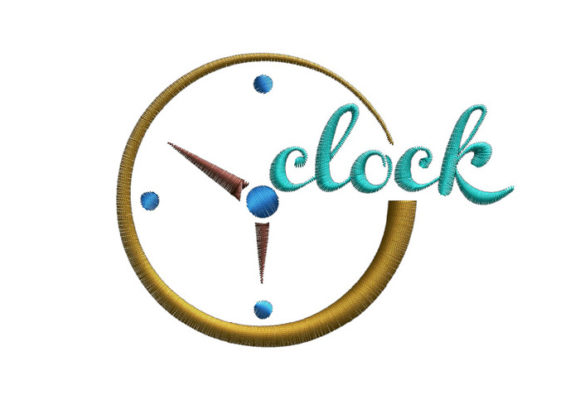
The moment I loaded the digital embroidery file into my software, the layout of Clock caught my attention. In the world of accessories and apparel, time-themed motifs can easily veer into cliché territory, but this design manages to strike a balance between decorative and minimal. The initial visual suggests a piece that is both bold and refined, making it suitable for a variety of brand identities. Whether your boutique leans towards rustic charm or modern minimalism, Clock offers a versatility that is rare in pre-digitized assets.
For a neutral sweatshirt collection, the design reads as sophisticated. On dark fabrics, such as charcoal or navy, the stitching personality shines through with a subtle elegance, while on pastel colors, it takes on a softer, more playful character. This adaptability is crucial for designers who need to maximize their inventory without purchasing dozens of unique designs. The mood is neither strictly feminine nor masculine, allowing it to serve as a unisex staple in a cozy seasonal apparel line.
Strategic Placement on Sweatshirts and Hoodies
When planning a sweatshirt embroidery project, placement is everything. I tested Clock in three key areas: the left chest, the sleeve, and the upper back. For a standard hoodie design, the left chest placement proved to be the most commercially viable. It offers a subtle branding opportunity that feels high-end rather than loud. The scale of the design was appropriate for this location, ensuring it did not overwhelm the garment’s silhouette.
However, for those looking to make a statement, placing Clock on the upper back of an oversized hoodie created a striking visual impact. This approach works exceptionally well for lifestyle product photography, where the back view can highlight the intricate details of the stitching. Sleeve accents are another trending option, though this requires careful consideration of the hoop size and the curvature of the arm. If you are an Etsy seller creating custom apparel, offering these varied placement options can significantly increase customer engagement and perceived value.
Technical Considerations for Commercial Production
Transitioning from digital preview to physical production requires addressing several practical concerns. One of the primary factors is stitch density. A design that is too dense can cause puckering, especially on the thick, textured fabric of a premium sweatshirt. During my test runs, I monitored how Clock interacted with the fabric texture. The stitch pattern appeared balanced, avoiding excessive bulk while maintaining enough coverage to look substantial and durable.
Stabilizer choice is equally critical. For fleece-backed sweatshirts, I recommend using a cut-away stabilizer to provide long-term support, as tear-away options may not hold up against the stretch and weight of the material. Additionally, thread color contrast plays a pivotal role in the final appearance. I experimented with metallic threads for a luxurious feel and matte cotton threads for a rustic, handmade look. Both yielded excellent results, but the choice ultimately depends on your brand’s aesthetic.
It is important to note that while the product description states this machine embroidery design comes with multiple embroidery file formats, it does not specify exact stitch counts or recommended hoop sizes. As a professional, I always advise checking these details in the included documentation before starting production. Ensuring the design fits within your specific machine’s capabilities is essential for avoiding costly errors in a small shop product run.
Enhancing Brand Identity and Product Value
Incorporating a well-executed design like Clock into your lineup does more than just decorate a garment; it strengthens your brand identity. For boutique brands, consistency in quality and style builds buyer trust. When customers see precise, clean stitching that withstands washing, they associate that durability with your brand. This is particularly important for commercial embroidery where repeat business relies on satisfaction.
Furthermore, the visual recognition of a unique design can set your custom apparel apart from mass-produced competitors. Using Clock as part of a cohesive collection allows for stronger marketing narratives. You can create printable mockups and design assets that highlight the craftsmanship involved, appealing to customers who value the handmade product experience. This narrative adds emotional value, justifying a higher price point and fostering deeper customer loyalty.
Versatility Across Categories and Seasons
While primarily tested on sweatshirts, the versatility of Clock extends to other areas. As an Accessories item, it could be adapted for tote bags, caps, or even home decor items like throw pillows. The design’s ability to scale without losing clarity makes it a valuable asset for designers who want to maximize their return on investment. For seasonal drops, consider pairing Clock with autumnal thread colors for a cozy fall vibe or bright, contrasting hues for a spring refresh.
For digital sellers, offering this design as part of a bundle or featuring it in tutorial content can drive traffic to your store. The appeal of a ready-to-use, high-quality embroidery file attracts both novice crafters and experienced decorators looking to save time on digitizing. By showcasing the finished product in various contexts, you demonstrate the design’s flexibility and encourage broader adoption.
Final Verdict for Designers and Makers
In conclusion, Clock is a robust addition to any embroidery designer’s library. Its blend of aesthetic appeal and technical reliability makes it suitable for a wide range of applications, from casual hoodie accents to premium boutique merchandise. By paying attention to stabilizer choices, thread contrasts, and placement strategies, you can ensure that each finished product meets the high standards expected by today’s discerning consumers. Whether you are scaling your Etsy seller business or launching a new line for your boutique brand, this design offers the quality and versatility needed to succeed in the competitive world of custom apparel.