Elm Tree Redwork: A Designer’s Review for Real Projects
As a designer who has spent countless hours staring at digitized files and watching needles punch through fabric, I have learned that not every design is created equal. Some are flashy but fragile; others are simple yet incredibly versatile. When I first pulled up the Elm Tree Redwork file on my screen, I wasn’t looking for complexity. I was looking for character. In the world of Forest themed Embroidery, it is easy to get lost in dense fill stitches and overwhelming detail. This design, however, takes a different approach. It relies on line work, spacing, and the inherent beauty of the subject matter.
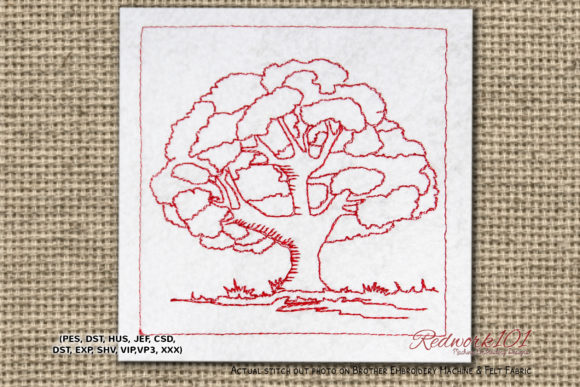
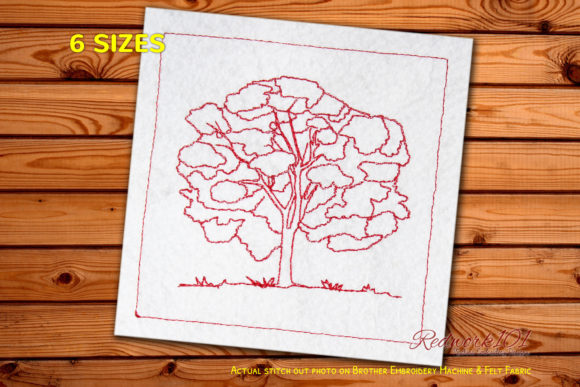
My initial impression was one of calm clarity. The silhouette of the elm tree is distinct, with branches that spread naturally rather than looking like rigid geometric shapes. For those of us who create handmade product lines, this kind of visual personality is gold. It does not scream for attention; it invites it. The mood it creates is rustic, grounded, and timeless. It feels like something you would find on a well-loved book cover or etched into an old wooden sign. This makes it an ideal candidate for projects where subtlety is preferred over flashiness.
Putting Elm Tree Redwork to the Test
To truly evaluate a machine embroidery design, you have to move beyond the digital preview. I decided to test this design on a custom embroidered tote bag, a staple item for many Etsy seller shops and craft businesses. Tote bags are tricky because the canvas texture can sometimes interfere with fine details. I chose a medium-weight natural cotton canvas, which provided a neutral backdrop that allowed the thread colors to pop without competing with the fabric.
The stitching process was smooth. Because this is a redwork style design, it primarily utilizes running stitch and potentially some satin stitch for thicker outlines, depending on how the file was digitized. The absence of heavy fill stitch meant there was minimal puckering, even without an overly aggressive stabilizer setup. This is a crucial point for anyone doing custom apparel or items that need to remain soft against the skin. The result was crisp and clean. The branches did not collapse into each other, and the trunk maintained its structural integrity. For a small shop product, this level of reliability is essential. You do not want to spend hours hooping and stitching only to have the design look messy after washing.
Versatility Across Product Lines
One of the strongest assets of Elm Tree Redwork is its adaptability. While it worked beautifully on the tote bag, I could easily envision it in several other contexts. For baby embroidery, this design could be scaled down and placed on a muslin swaddle or a organic cotton onesie. The simplicity of the lines ensures that it remains legible even at smaller sizes, provided you adjust your stitch density and needle size appropriately. It avoids the clutter that often plagues nursery decor, offering a serene aesthetic that parents appreciate.
For sweatshirt embroidery, the design shines when placed on the left chest or as a larger back piece. On darker fabrics, such as navy or charcoal heather, using a contrasting thread color like cream or light gray creates a striking visual effect. This is where the note about the optional Box Stitch becomes relevant. The description mentions that the outer box is a different color in most designs and can be skipped. I recommend skipping it for apparel unless you are going for a specific framed look. On a curved surface like a sweatshirt or a cap, extra border elements can sometimes distort or add unnecessary bulk. Keeping the design free-standing allows the tree to breathe and integrates more naturally with the garment’s shape.
If you are creating an embroidered patch, this design is also a strong contender. Patches require bold lines that hold up to wear and tear. The elm tree’s structure is robust enough to withstand the rigors of being sewn onto jackets or bags. Just ensure you use a cut-away stabilizer if you are making iron-on patches to maintain longevity.
Technical Considerations and Practical Notes
While the design is forgiving, it is not without its technical requirements. As an experienced reviewer, I must highlight areas where caution is needed. First, consider your hoop size. If you are working with a small hoop, ensure the design fits comfortably with room for stabilization. Crowding the edges of the hoop can lead to distortion. Second, pay attention to the thread colors. Redwork traditionally uses red thread on white fabric, but modern interpretations allow for any high-contrast combination. However, avoid using threads that are too similar in tone to your fabric, as the delicate lines of the branches may disappear.
Fabric texture plays a significant role here. On highly textured fabrics like terry cloth or heavy wool, the fine details of the branches might get lost. In such cases, I recommend using a water-soluble topping to keep the stitches on the surface of the fabric. For stretchy fabrics, always use a proper stabilizer. A tear-away might suffice for woven cottons, but knit fabrics demand a cut-away to prevent the design from warping over time.
Another critical aspect is the optional box mentioned in the product description. "The Box Stitch shown in the picture is optional. The color of the outer box is a different color in most of the designs unless it is part of the design itself, you can skip the color directly." This flexibility is a double-edged sword. If you choose to include the box, ensure the color contrast is deliberate. If the box color blends into the background, it serves no purpose other than adding stitch time. If you skip it, make sure the tree stands alone effectively. In my tests, skipping the box resulted in a cleaner, more modern look that fit better with contemporary design assets.
Commercial Viability and Brand Consistency
For commercial embroidery professionals and digital embroidery file sellers, the value of this design lies in its broad appeal. It is not tied to a specific holiday, making it a year-round seller. It fits seamlessly into brands that focus on nature, sustainability, mindfulness, or rustic living. When creating printable mockup images for your online store, this design photographs well because of its clear lines and lack of visual noise. It helps build customer trust because it looks professional and intentional.
However, before listing finished items or selling the digital file, always confirm the licensing terms. Even if a design seems simple, intellectual property rights vary. Ensure you have the right to use Elm Tree Redwork for commercial purposes if you plan to sell personalized gift items or holiday embroidery products featuring this motif. Additionally, always test the design on scrap fabric before committing to a final product. Check for thread breaks, tension issues, and overall clarity. A quick test stitch can save you from costly mistakes in a production run.
In conclusion, Elm Tree Redwork is a solid addition to any designer’s library. It balances aesthetic charm with technical practicality. Whether you are decorating a kitchen towel, creating a boutique branding element, or stitching a wedding gift, this design offers the reliability and elegance needed to produce a high-quality finished product. It respects the material it is stitched on and enhances the item without overpowering it. For makers who value craftsmanship and clarity, this is a design worth keeping in rotation.