Reviewing Oak Tree Redwork Design for Boutique Apparel
As an embroidery designer who spends more time analyzing stitch paths than I do sleeping, I am always on the hunt for digital assets that bridge the gap between rustic charm and modern minimalism. When I recently browsed the Creative Fabrica embroidery library for my upcoming autumn collection, the Oak Tree Redwork Design caught my eye. It sits comfortably within the Forest category, offering a nature-inspired aesthetic that feels both timeless and currently trendy. For boutique apparel creators and Etsy sellers looking to elevate their sweatshirt and hoodie offerings, this design warrants a closer look.
Visual Personality and Stitching Mood
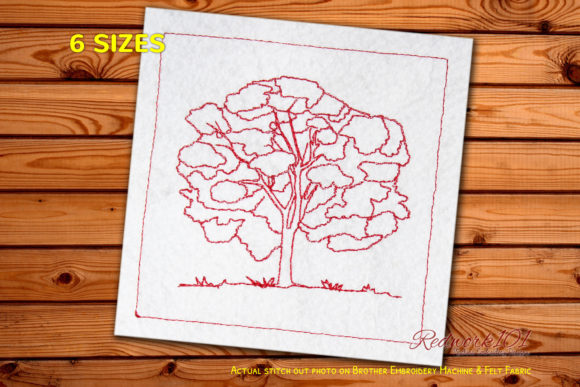
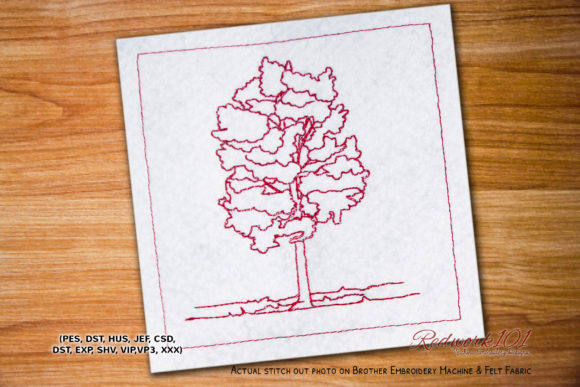
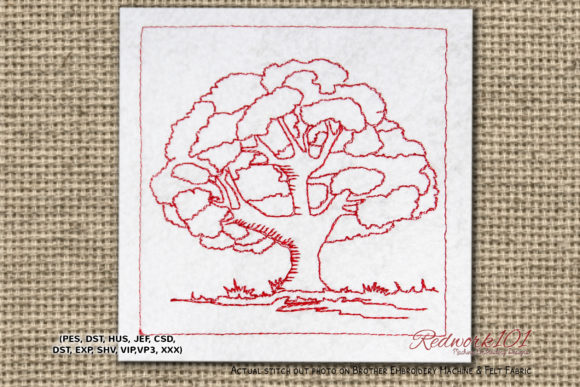
The first impression of the Oak Tree Redwork Design is one of understated elegance. Redwork, by definition, relies on single-color stitching to create high-contrast, graphic imagery. This particular design captures the sturdy, sprawling nature of an oak tree without getting bogged down in excessive detail. The visual personality is rustic yet clean, making it versatile enough for various brand identities. It does not scream "loud"; rather, it whispers "quality."
The stitching mood is calm and grounded. Because redwork typically utilizes running stitches or simple satin borders, the texture on the fabric remains relatively flat compared to dense fill designs. This is a significant advantage for apparel. Heavy embroidery can weigh down lightweight fabrics or cause puckering on stretchy materials. The Oak Tree Redwork Design maintains a decorative strength that is bold enough to be noticed but minimal enough to remain comfortable against the skin. It feels premium in its simplicity, avoiding the cluttered look that sometimes plagues complex machine embroidery designs.
Strategic Placement for Sweatshirts and Hoodies
When planning a small sweatshirt or hoodie collection, placement is everything. I envision this design performing exceptionally well in several key areas. For a classic look, the left chest placement on a neutral sweatshirt is ideal. The silhouette of the oak tree provides a recognizable shape that reads well even at a smaller scale. On pastel hoodies, the contrast of a deep red or forest green thread against the soft background creates a sophisticated, boutique-brand aesthetic.
For oversized garments, which are currently dominating the market, consider scaling up the design for a central back placement. The branching structure of the oak allows for interesting negative space, meaning the design breathes well on larger canvases without requiring dense stitch coverage. Sleeve accents are another creative option. A smaller version of the Oak Tree Redwork Design near the cuff or on the upper arm adds a subtle detail that encourages customers to look closer, enhancing product recognition and perceived value.
Beyond tops, this design translates beautifully to tote bags and denim jackets. The durability of redwork stitching holds up well on heavier fabrics like canvas and denim. For lifestyle product photos, imagine a cozy seasonal outfit featuring a cream-colored hoodie with this earthy motif, paired with jeans and boots. It sells a feeling of comfort and connection to nature, which is a powerful driver for customer engagement.
Navigating Fabric Textures and Technical Considerations
While the design is versatile, technical execution is crucial for professional results. One of the most helpful notes in the product description states: "The Box Stitch shown in the picture is optional. The color of the outer box is a different color in most of the designs unless it is part of the design itself, you can skip the color directly." This flexibility is a boon for designers. If you are working with dark garments, you might choose to skip the outer box to avoid a framed look that can appear dated, allowing the tree to float freely on the fabric. Conversely, on light fabrics, keeping the box can provide a crisp boundary.
However, caution is required when working with stretchy fabric or fleece. Ribbed fabric, often found on cuffs and collars, should generally be avoided for embroidery unless you have significant experience with stabilizers. For standard sweatshirt fleece, a cut-away stabilizer is usually recommended to prevent distortion over time. Since redwork involves long runs of stitching, ensuring your hoop size is appropriate for the garment section is vital. Always test on scrap fabric first. Check the stitch density in your software before loading the file onto your machine. If the density is too high for a lightweight t-shirt, it may pucker; if too low on a thick hoodie, it may not cover the fabric adequately.
Thread color contrast is another critical factor. While redwork traditionally uses red, do not feel bound by this. For a Forest-themed collection, deep greens, browns, or even charcoal grays can modernize the look. Review thread color charts against your specific garment shades to ensure visibility. Remember, the goal is a handmade product that looks intentional, not accidental.
Enhancing Brand Identity and Commercial Value
Incorporating the Oak Tree Redwork Design into your lineup can significantly affect your brand identity. Consistency in visual style builds buyer trust. If your shop specializes in nature-inspired or rustic chic items, this design reinforces that narrative. It contributes to visual consistency across your social media graphics and printable mockups. When potential customers see a cohesive collection, they are more likely to perceive your small shop product as a legitimate boutique brand rather than a casual hobbyist output.
From a commercial embroidery perspective, simpler designs often mean faster production times. Less machine time translates to better margins for your business. Furthermore, the clean lines of redwork photograph exceptionally well for Etsy listings. There is no glare from dense satin stitches, and the texture is easy to capture in natural light. This improves the quality of your online presence, leading to higher conversion rates.
Final Designer Notes and Licensing Checks
Before you begin production, there are essential steps to take. First, confirm the specific file formats included in the download to ensure compatibility with your embroidery machine. While the product page mentions the optional box stitch, it does not specify exact stitch counts or hoop size limitations. You must verify these details in the downloaded files or the product description on Creative Fabrica. Never assume a design fits a 4x4 hoop if you only own that size; check the dimensions digitally first.
Secondly, review the licensing terms. Most Creative Fabrica products come with a commercial license allowing you to sell finished physical products, but rules regarding digital resale or mass production limits can vary. Ensure you are compliant before listing your custom apparel for sale. Finally, inspect the stitch path in your embroidery software. Look for unnecessary jumps or trims that might slow down your workflow. A quick edit can save minutes per piece, which adds up over a full collection.
The Oak Tree Redwork Design is a solid choice for designers seeking a blend of rustic appeal and modern simplicity. With careful attention to stabilizer choice, thread contrast, and placement, it can become a staple in your boutique’s seasonal offerings. It is not just a digital embroidery file; it is a tool for crafting tangible value and connecting with customers who appreciate the beauty of the natural world stitched into their everyday wear.