Reviewing Poplar Tree Bluework for Commercial Use
As an embroidery designer who spends hours digitizing and testing files, I have learned that not every design is created equal. When browsing Creative Fabrica embroidery collections, I look for assets that offer versatility, clean stitching paths, and aesthetic appeal that translates well to physical products. Recently, I evaluated the Poplar Tree Bluework design with a specific goal in mind: determining its viability for real-world commercial projects. This review breaks down my experience assessing this file for potential use in handmade goods, from custom apparel to home decor.
First Impressions and Visual Mood
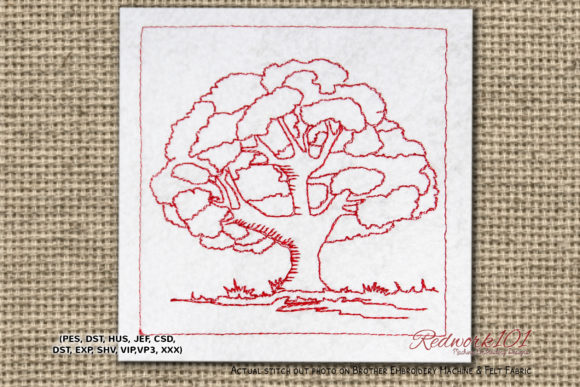
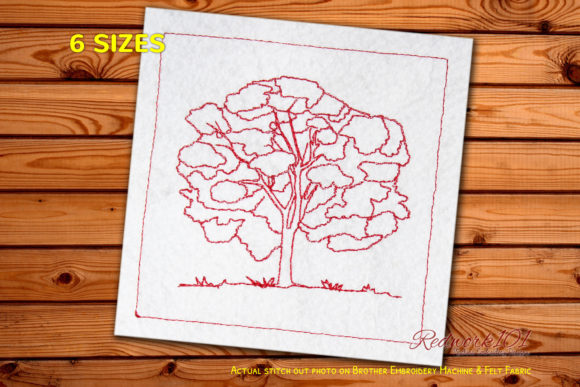
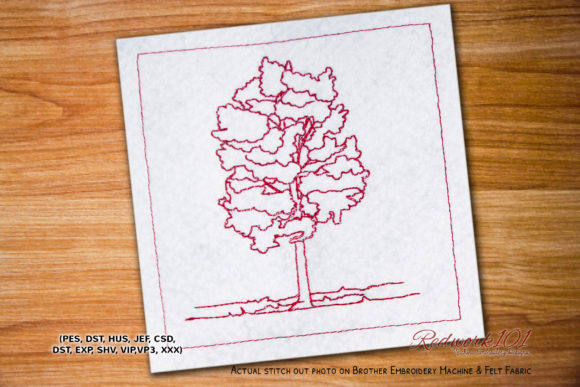
The immediate appeal of Poplar Tree Bluework lies in its serene, nature-inspired aesthetic. Falling under the Forest category, this design captures the delicate structure of poplar trees using a bluework technique. For those unfamiliar, bluework traditionally refers to monochromatic embroidery, often using shades of blue on white fabric, but the concept extends to any single-color or tonal stitching style that emphasizes line and texture over complex color blending.
The visual mood is calm and organic, making it an excellent candidate for brands focused on sustainability, nature, or minimalist living. The detail level is moderate; it avoids the excessive density that can cause puckering while maintaining enough intricacy to look professional up close. The stitching personality feels hand-drawn, which adds a layer of warmth that digital designs sometimes lack. This decorative appeal makes it naturally fit for projects where subtlety is preferred over bold, loud graphics.
Real-World Application for Handmade Businesses
When considering a machine embroidery design for commercial use, I always ask: "Where does this live?" For Poplar Tree Bluework, the applications are diverse. Here is how I envision this design performing across various product lines:
- Custom Apparel: The design works beautifully on sweatshirt embroidery, placed subtly on the left chest or as a larger back piece. It also suits linen shirts for a boutique feel.
- Home Textiles: Imagine this stitched onto a tote bag design for eco-conscious shoppers or embroidered on pillow covers for nursery decor. The forest theme aligns perfectly with current interior trends.
- Kitchen and Dining: A set of kitchen towels featuring this tree motif makes for a high-value handmade gift. The bluework style looks particularly crisp on white or cream cotton.
- Accessories: While caps can be tricky, a simplified version of this design could work on structured caps. It is also ideal for creating an embroidered patch that customers can iron or sew onto jackets.
For Etsy sellers and small business owners, this type of digital embroidery file allows for product consistency. You can create a cohesive collection by using the same design across different items, such as aprons, baby blankets, and wall hangings. This brand consistency helps build buyer trust and recognition.
Technical Considerations and Stitch Performance
Before running any embroidery file on a customer’s garment, technical due diligence is non-negotiable. With Poplar Tree Bluework, there are specific factors to consider regarding stitch density and fabric interaction.
The design description notes that "The Box Stitch shown in the picture is optional." This is a crucial detail. In many designs, the outer box is a different color unless it is part of the design itself, meaning you can skip the color change if it does not suit your project. This flexibility is vital for efficiency. Removing unnecessary stops reduces thread breaks and production time, which is essential for commercial embroidery workflows.
However, you must assess the stitch density. Bluework styles often rely on running stitches and satin stitches to create depth. If the density is too high for lightweight fabrics like voile or thin cotton, you may experience puckering. I recommend testing on scrap fabric first. Use a cut-away stabilizer for stretchy fabrics like sweatshirt fleece to ensure the design remains stable after washing. For woven fabrics like tote bags or aprons, a tear-away stabilizer might suffice, but always check the back of the hoop to ensure no shadowing occurs.
Another practical note involves curved surfaces. If you plan to use this on a cap, the curvature can distort linear elements. Ensure your hoop size is appropriate for the design dimensions. If the design includes tiny lettering or fine branches, verify that your machine’s needle and thread combination can handle the detail without breaking threads. A 40-weight polyester thread is standard, but for a finer look, 60-weight thread might enhance the delicate nature of the poplar branches.
Enhancing Product Value and Presentation
Using high-quality design assets like Poplar Tree Bluework directly impacts perceived value. A clean, well-digitized design signals professionalism. When customers see precise stitching with no loose threads or gaps, their trust in your handmade product increases. This is particularly important for personalized gifts, where attention to detail is expected.
Photography plays a huge role here. The contrast of blue thread on white or light neutral fabrics creates a striking visual that photographs well for online listings. Whether you are creating a printable mockup for your shop or photographing the finished product, the clarity of the bluework style ensures the design stands out without overwhelming the item. This visual appeal drives customer engagement and can justify a higher price point for your bespoke items.
Practical Steps Before Production
To ensure success with this applique design or standard embroidery file, follow these steps before committing to a full production run:
- Check File Details: Always review the product page on Creative Fabrica for specific file formats compatible with your machine. Confirm hoop size requirements to avoid resizing issues that can distort stitch density.
- Test on Scrap Fabric: Run the design on the exact fabric type you intend to use. Check for puckering, thread breaks, or registration issues.
- Evaluate Thread Colors: Since this is a bluework style, test various shades of blue. A navy thread on white linen offers classic contrast, while a sky blue on heather grey sweatshirt fabric provides a softer, modern look.
- Review Licensing: Confirm the license terms on the Creative Fabrica product page. Ensure you are compliant with rules regarding selling finished items, especially if you plan to scale up production.
- Inspect Small Details: After stitching, inspect the fine lines of the tree branches. If they appear jagged or loose, adjust your tension or stabilize differently.
In conclusion, Poplar Tree Bluework is a versatile addition to any embroidery designer’s library. Its adaptability across various Embroidery projects, from tote bag design to nursery decor, makes it a valuable asset. By paying attention to technical details like stabilizer choice and stitch density, you can leverage this design to create high-quality, commercially viable products that resonate with customers seeking natural, handcrafted beauty.