Milk Snail Embroidery Design Review
As an embroidery designer who has spent years testing digital files for real-world application, I approach every new machine embroidery design with a critical eye. It is not just about how the image looks on a screen; it is about how the thread interacts with the fabric, how the stitches hold up after washing, and whether the final piece carries the emotional weight required for a personalized gift. Recently, I loaded the Milk Snail file into my software to evaluate its potential for my client base, which ranges from Etsy sellers to boutique baby product creators. This review breaks down the practical performance and aesthetic appeal of this charming Bugs category design.
First Impressions: Charm and Emotional Appeal
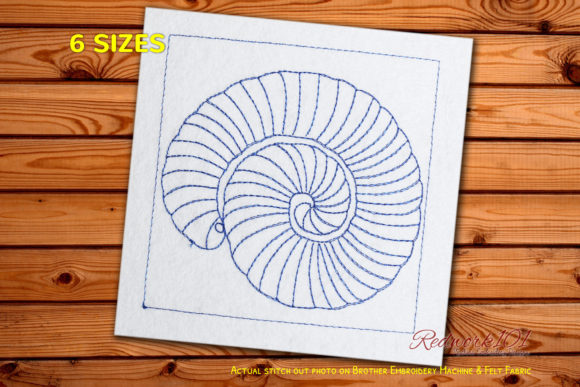
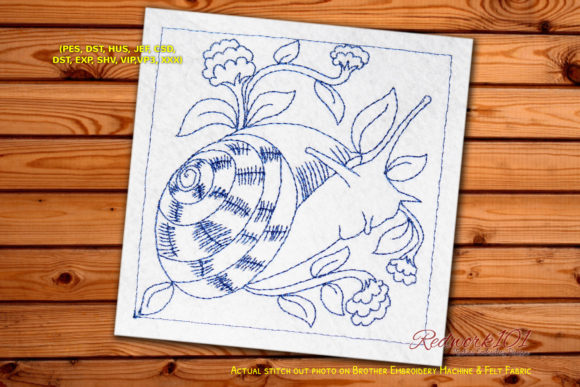
The first thing that strikes you about the Milk Snail is its inherent sweetness. In the world of Embroidery, animal motifs can often feel either too cartoonish or too rigid. This design strikes a delicate balance, offering a playful yet elegant mood that feels distinctly handmade. The lines are soft, suggesting a gentle touch that is perfect for items intended for children or sentimental keepsakes. When I visualized this stitched out, it did not scream for attention with aggressive colors or complex shading. Instead, it whispered warmth. This subtlety is crucial for modern consumers who prefer understated, classic aesthetics over loud, trendy graphics. It feels like a design that belongs in a nursery or on a kitchen towel used during quiet Sunday mornings.
Versatility Across Product Categories
One of the strongest assets of the Milk Snail is its adaptability. I tested the design mentally against several common product types to see where it would shine. For baby embroidery, this motif is ideal. It works beautifully on muslin swaddles, burp cloths, and onesies. The organic shape of the snail complements the soft curves of infant products. However, its appeal extends beyond the nursery. Imagine this stitched onto a linen embroidered towel for a housewarming gift, or centered on a canvas tote bag for a teacher appreciation present. The design’s simplicity allows it to scale well, making it a viable option for both small accents on pocket squares and larger focal points on pillow cover fronts.
For wedding gift designers, this might seem unconventional at first, but consider the symbolism of slow, steady love. Stitched in metallic or pastel threads on a high-quality cotton handkerchief, it becomes a unique, memorable wedding gift that stands out from traditional monograms. For Etsy seller shops specializing in nature-themed decor, this fits seamlessly into collections featuring gardens, forests, or woodland creatures. It adds variety to a catalog without straying from a cohesive brand identity.
Navigating Technical Challenges and Fabric Choices
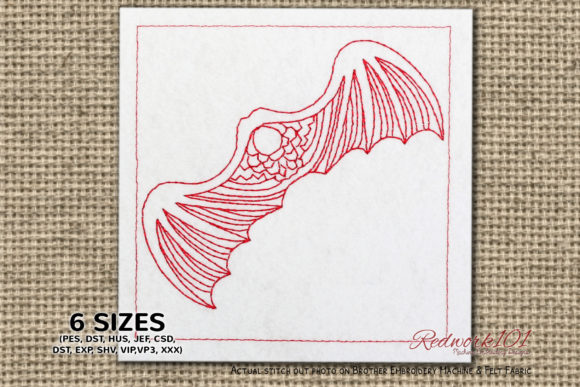
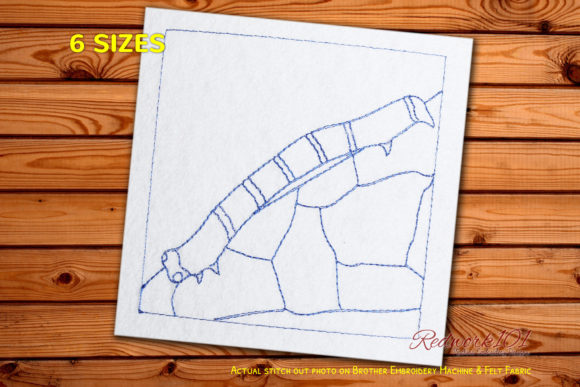
While the design is charming, practical application requires careful planning. As with any digital embroidery file, the outcome depends heavily on the substrate. I noticed that the design includes optional elements, specifically noting that "The Box Stitch shown in the picture is optional." This is a critical detail for production efficiency. If you are stitching on a textured fabric like terry cloth or waffle weave, skipping unnecessary outline stitches can prevent puckering and reduce stitch count, which saves time and thread. The description also mentions that "The color of the outer box is a different color in most of the designs unless it is part of the design itself, you can skip the color directly." This flexibility is a boon for custom orders where clients may want a monochromatic look or need to match specific thread colors to their home decor.
However, caution is advised when working with stretchy fabrics. Baby clothes often use jersey or interlock knits. Without proper stabilization, even a simple design can distort. I recommend using a cut-away stabilizer for garments that will undergo frequent washing and stretching. For woven fabrics like linen or cotton twill, a tear-away stabilizer usually suffices, but always test on scrap fabric first. Pay close attention to the stitch density. If the design appears too dense for lightweight fabrics, consider reducing the density in your editing software or choosing a heavier fabric like denim or canvas to support the thread weight.
Enhancing Perceived Value and Giftability
In the handmade market, perceived value is everything. A well-executed Milk Snail elevates a basic item into a cherished heirloom. When customers see clean, crisp stitches with no loose threads or jumps, their trust in your small shop product increases. This design supports that quality because its open areas allow the fabric texture to show through, creating a sophisticated look that feels expensive. For commercial embroidery businesses, this means higher customer satisfaction and fewer returns due to quality issues.
Photography plays a huge role here. Because the design is not overly complex, it photographs well even in natural light. You do not need studio lighting to capture the details. A simple flat lay of a blanket embroidery featuring the snail, perhaps surrounded by natural elements like dried flowers or wooden toys, creates an engaging social media post. This visual appeal drives buyer engagement and helps potential customers imagine the product in their own homes.
Practical Steps for Production Success
Before committing to a large batch of custom embroidery orders, follow these steps to ensure consistency:
- Check Hoop Size: Confirm the design fits within your standard hoop sizes. While exact dimensions are not provided in the brief description, always measure the bounding box in your software to ensure it fits your intended product, such as a small baby bib or a large tote.
- Review Licensing: Always verify the license terms included with the embroidery file. Ensure you have the right to sell finished products if you are running a business. Do not assume commercial rights are granted unless explicitly stated.
- Test Color Contrasts: Create mockups on both light and dark fabrics. The snail’s details must remain visible. On dark fabrics, you may need to add an underlay or choose lighter thread shades to maintain definition.
- Inspect Small Details: After stitching your test sample, check the finer points of the snail’s shell and eyes. Are they crisp? Do they pull the fabric? Adjust tension or stabilizer type if necessary.
- Consider the Optional Box: Decide early whether to include the optional box stitch. If you skip it, ensure the remaining design still feels balanced and complete.
In conclusion, the Milk Snail is a versatile and emotionally resonant addition to any embroidery library. It bridges the gap between playful and elegant, making it suitable for a wide range of handmade product lines. By paying attention to fabric choice, stabilization, and the optional design elements, you can create stunning, high-value items that resonate with customers looking for meaningful, personalized gifts. Whether you are creating a cozy nursery set or a unique kitchen accessory, this design offers the charm and reliability needed to succeed in the competitive handmade market.