Review: Millipedes Have a Long Worm Embroidery Design
As an embroidery designer who has spent years digitizing and testing files for both personal passion projects and commercial client work, I approach every new machine embroidery design with a critical eye. It is not just about whether the file opens correctly; it is about how the design behaves under the needle, how it translates to fabric, and ultimately, how it resonates with the end customer. Recently, I evaluated Millipedes Have a Long Worm, a whimsical entry in the Bugs category, to determine its viability for real-world applications.
First Impressions and Visual Personality
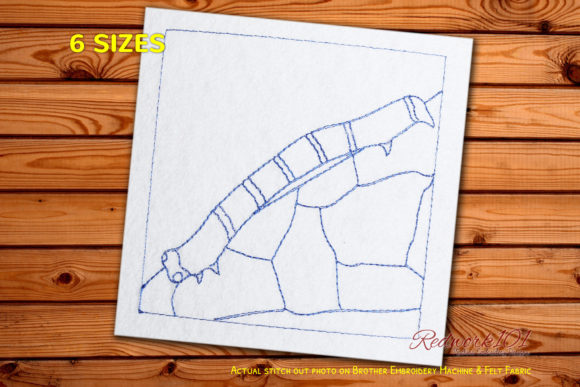
The first thing that strikes you about Millipedes Have a Long Worm is its playful, slightly surreal charm. The title itself suggests a sense of humor, which is often a missing ingredient in standard nature-themed embroidery. Visually, the design leans into a cartoonish aesthetic rather than strict biological accuracy. This is a smart move for embroidery, as hyper-realistic insect details can sometimes look messy or overly dense when stitched out on textured fabrics.
The layout appears balanced, with a clear focal point that draws the eye along the length of the creature. For those of us creating handmade products, this visual flow is crucial. A design that is too static can feel flat on a garment, but one with directional movement, like a long winding worm or millipede, adds dynamic energy. The mood is lighthearted and approachable, making it an excellent candidate for items meant to evoke smiles, such as children’s apparel or quirky home decor.
Real-World Application Scenarios
To truly test the value of an embroidery file, I mentally place it on various substrates. Here is how Millipedes Have a Long Worm performs in specific project contexts:
- Custom Apparel: This design would shine on a sweatshirt or a oversized t-shirt. Placed on the left chest or as a larger back print, the elongated shape allows for creative positioning. It works well for sweatshirt embroidery where the fabric weight can support the stitch density without puckering.
- Tote Bags and Accessories: For a tote bag design, the horizontal or vertical orientation of the millipede can be adjusted to fit the panel. It adds a unique touch to canvas bags, appealing to customers looking for eco-friendly accessories with personality.
- Baby and Kids Items: The cute factor makes it ideal for baby embroidery. Imagine this on a bib, a onesie, or a nursery blanket. However, care must be taken with thread choices to ensure they are soft and safe for sensitive skin.
- Patches and Appliques: If you are running a small shop, turning this into an embroidered patch is a viable strategy. Patches allow customers to apply the design to existing gear, expanding your market reach without requiring them to buy a whole new garment.
Technical Considerations and Stitching Performance
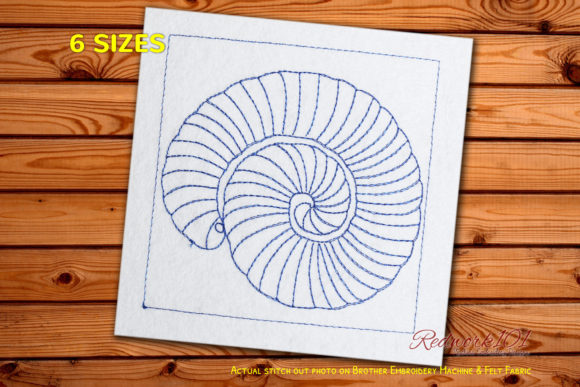
When reviewing the technical aspects, one detail stands out in the product description: "The Box Stitch shown in picture is optional. The color of outer Box is different color in most of the designs unless it is part of the design itself, you can skip the color." This is a significant feature for flexibility. As a designer, I appreciate options that allow for customization. Skipping the outer box can simplify the design, reducing stitch count and potential registration issues, especially on stretchy fabrics.
However, there are areas where caution is needed. If you are stitching on textured fabrics like terry cloth or heavy denim, ensure your stabilizer is robust enough to prevent sinking. The finer details of the millipede’s segments could get lost if the fabric pile is too high. Similarly, on dark fabric, you must carefully select thread colors that provide sufficient contrast. A low-contrast choice might render the design invisible from a distance, defeating the purpose of the artwork.
For curved surfaces like caps or hats, the length of the worm might pose a challenge. You would need to break the design into smaller sections or use a specialized cap frame to ensure the hoop does not distort the fabric. Always test the design on scrap fabric first to check for puckering or thread breaks, particularly in areas where the direction of the stitch changes rapidly.
Commercial Viability for Etsy Sellers and Craft Businesses
For Etsy sellers and craft business owners, the uniqueness of Millipedes Have a Long Worm is its biggest asset. In a saturated market of generic floral and monogram designs, quirky bug motifs stand out. This design fits perfectly into the trend of "cottagecore" or whimsical nature aesthetics that are currently popular in small shop products.
When creating printable mockups or digital previews for your listing, consider showing the design on diverse items. Show it on a neutral linen tea towel to highlight the stitch clarity, and then on a vibrant colored hoodie to demonstrate versatility. This helps buyers visualize the finished product in their own lives. Remember, customer trust is built on transparency. If you are selling the physical item, mention the care instructions clearly, especially if the design uses dense fill stitch areas that might affect the drape of lightweight fabrics.
Design Notes and Best Practices
Before committing to a large production run or offering this as a digital embroidery file for others to use, keep these practical notes in mind:
- Check Licensing: Always confirm the license terms before selling finished items or distributing the file. Some designers allow commercial use for physical goods but restrict the resale of the digital file itself.
- Test Hoop Sizes: Ensure the design fits within your standard hoop sizes. If it is too large for a 4x4 hoop, you may need to split it or upgrade to a 5x7 or 6x10 hoop, which affects your production workflow.
- Color Separation: Since the outer box is optional, create two versions of your sample: one with the box and one without. This gives you data on how the design looks with and without the border, helping you advise customers or make better design decisions for your own inventory.
- Stitch Density Review: Inspect the density of the satin stitch and running stitch elements. If the density is too high for thin fabric, consider using a cut-away stabilizer or adjusting the pull compensation in your software if you have editing capabilities.
Final Verdict
Millipedes Have a Long Worm is a solid addition to any designer’s library, particularly for those focusing on fun, nature-inspired embroidery projects. It offers enough flexibility through its optional elements to be adapted for various uses, from holiday embroidery gifts to everyday custom apparel. While it requires careful attention to fabric choice and stabilization, its visual appeal and commercial potential make it a worthwhile investment for serious makers. By understanding its strengths and limitations, you can leverage this design to create standout products that engage buyers and enhance your brand’s creative identity.