Reviewing Windmill Scenery Machine for Craft Fair Success
As an embroidery designer who has spent countless weekends behind a booth table, I know that not every design translates well from a digital screen to a physical product. When I first loaded the Windmill Scenery Machine file into my software, my immediate thought was about its potential in the current market. The rustic charm of windmills pairs perfectly with the growing demand for farmhouse and countryside aesthetics. This review focuses on how this specific design performs when turned into tangible goods for craft fairs, handmade markets, and online shops.
First Impressions and Aesthetic Appeal
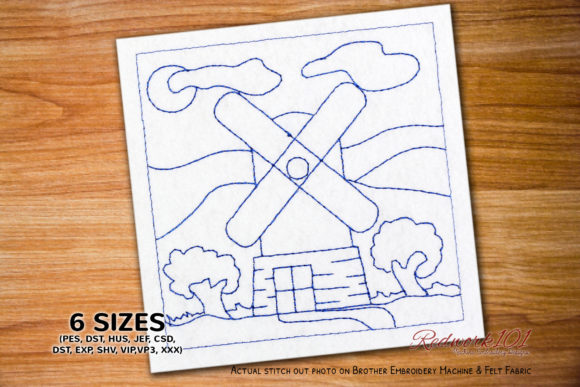
The visual language of Windmill Scenery Machine leans heavily into a serene, pastoral vibe. It does not scream for attention with neon colors or aggressive lines; instead, it invites the viewer to pause. For a craft fair product, this is crucial. Customers walking down an aisle are often overwhelmed by busy patterns. A design that offers a moment of calm can be surprisingly effective at stopping traffic. The scenery element suggests depth, making it feel more like a piece of art than a simple logo. Whether you categorize it under Cities for a quaint village feel or keep it strictly rural, the mood is undeniably cozy and inviting.
One technical detail stood out immediately in the description: the optional Box Stitch. The note states that the color of the outer box is different in most designs unless it is part of the design itself, and you can skip the color if desired. This flexibility is a gift for production efficiency. It means you can adapt the framing of the embroidery to match various fabric backgrounds without being locked into a rigid border color. This adaptability is key for a versatile machine embroidery design that needs to work across multiple product lines.
Product Versatility and Market Fit
To determine the true value of this embroidery file, I mentally placed it on several standard items found in my booth. Here is how it performs across different categories:
- Tote Bags: This is perhaps the strongest candidate. A canvas tote provides a large, flat surface where the scenery details can shine. As a tote bag design, it appeals to shoppers looking for eco-friendly, stylish carriers for farmers' markets.
- Tea Towels and Aprons: For kitchen textiles, the design adds a touch of elegance. Tea towel embroidery requires careful attention to stitch density to avoid puckering, but the scenic nature of this design allows for a balanced layout that looks premium.
- Embroidered Patches: If scaled down correctly, this could work as a decorative patch. However, tiny details might get lost, so simplifying the view for smaller applications is wise.
- Pillow Covers: A central placement on a linen pillow cover creates a high-end home decor item. This elevates the perceived value of the handmade product significantly.
For Etsy sellers and digital creators, this design also serves well in printable mockup listings. Showing the windmill on a variety of backgrounds helps customers visualize the final result, increasing conversion rates for your digital embroidery file.
Production Practicality and Technical Notes
From a production standpoint, repeatability is everything. You do not want a design that requires constant trimming or adjustment. Windmill Scenery Machine appears to have clean line work, which suggests manageable run times. However, there are critical factors to consider before committing to a large batch.
First, check the stitch density. Scenic designs often use fill stitches to create shading or texture. If the density is too high on a lightweight fabric like a tea towel, you will experience pull-out or distortion. Always use an appropriate stabilizer. For towels, a cut-away stabilizer is often safer than tear-away to maintain integrity after washing. For caps, the curved surface requires careful hooping and potentially a lighter density to prevent stiffness.
Second, consider the thread colors. The description mentions that the outer box color varies. This implies the design relies on contrast. On dark fabrics, ensure your thread palette has enough brightness to make the windmill silhouette pop. On light fabrics, subtle tonal variations can create a sophisticated, understated look. Test your design assets on scrap fabric before running your final inventory. This simple step saves hours of unpicking and wasted material.
Visual Clarity and Customer Engagement
How does the design read from three feet away? In a busy craft fair environment, clarity is king. Windmill Scenery Machine must maintain its recognizable shape even when viewed quickly. If the windmill blades merge with the background scenery due to poor thread choice or low resolution, the impact is lost. I recommend creating at least one real mockup to test visibility. Hang it on your booth display and walk back ten paces. If you cannot identify the subject, you may need to adjust the scale or simplify the color palette.
This visual appeal directly affects buyer engagement. A clear, attractive design signals quality. It tells the customer that you care about the details. This perception of quality allows you to price your small shop product higher, reflecting the time and skill involved in commercial embroidery.
Strategic Advice for Sellers
If you are planning to use this design for your next market season, here is a checklist to ensure success:
- Verify Licensing: Before selling any finished product, confirm the commercial licensing terms of the digital embroidery file. Ensure you have the right to sell physical items made with this design.
- Check Hoop Size: The description does not specify exact dimensions. Measure the design in your software to ensure it fits your intended hoop. A 5x7 inch hoop might be ideal for tote bags, while a 4x4 inch hoop could work for patches.
- Fabric Texture Matters: Test on the actual fabric texture you plan to use. Textured linens may hide fine details, while smooth cottons will show every stitch. Adjust your tension accordingly.
- Batch Production: Because the box stitch is optional, you can streamline production by skipping it on items where a border is not needed. This saves thread and time, increasing your profit margin on each craft fair product.
In conclusion, Windmill Scenery Machine offers a charming aesthetic that fits well within the popular farmhouse and rustic niches. Its flexibility regarding the border stitch makes it a practical choice for diverse applications, from apron embroidery to home decor. By paying attention to technical details like stabilizer choice and thread contrast, you can transform this digital asset into a best-selling item that stands out in any handmade marketplace.